Amarone Like No Other
Amarone is often relished for its opulence, and many producers lean into its inherent richness, crafting wines that prioritize flash and impact over balance and elegance. Such an approach shortchanges Amarone’s ability to express the vigorous acidity and mineral strictness obtainable in the steep, limestone-rich vineyards that comprise the Valpolicella zone’s historical heart. The Clementi family, however, work diligently to express these deeper truths of their terroir, producing long-aged examples of Amarone which counterbalance the category’s natural power with a sense of delicacy and lift.
In 1969, Pietro Clementi, the then-mayor of Marano, purchased the historic Gnirega estate and its 20 hectares of vineyards and woodlands. Having spent his formative years with his grandparents in Valpolicella’s easternmost sector immersed in the activities of their winery, Pietro set out to produce the kind of non-flashy, traditional wines for which he was nostalgic. Tasting modern exemplars of Amarone, one might be hard-pressed to sense the terroir through the carefully engineered opulence, but this late-picked appassimento style works in theory precisely because its source fruit is so bright and tension-filled—at least when grown in Valpolicella’s historical communes.
Clementi’s Amarone, which comprises 40% of their total production, comes from old interplanted vines of Corvina (65%), Rondinella (30%), and Molinara (5%), trained in the traditional Pergola Veronese system and farmed organically since Pietro’s acquisition of the estate. The first two weeks of harvest are devoted exclusively to picking for the Amarone to ensure a perfect balance between acidity and phenolic ripeness for each variety. Grape bunches are dried in shallow wooden crates in a naturally ventilated room of the winery until they lose 30 to 35% of their original water weight, which takes until the following January or February. At that point, the shriveled grapes are pressed and fermented via naturally occurring yeasts–an uncommon practice for the category, as fermentation of such high-sugar raw materials to dryness without outside intervention can be a lengthy and trust-requiring process.
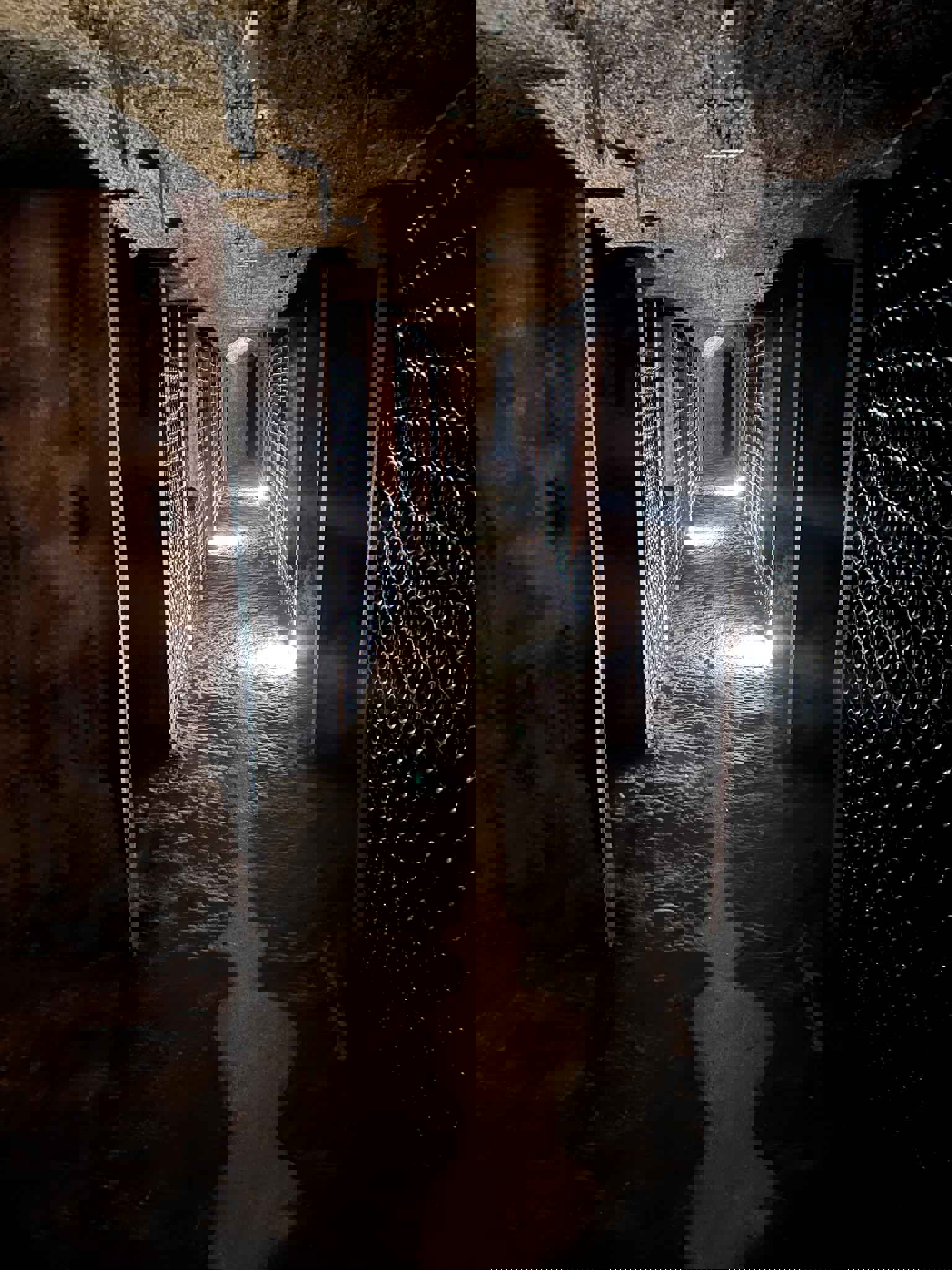
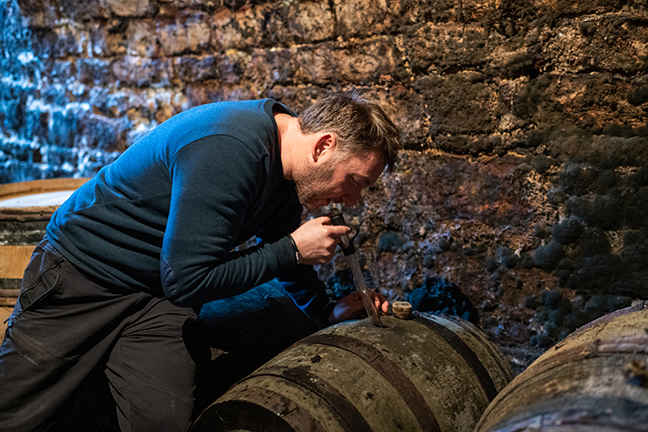
For the flagship Amarone, ageing takes place in 24-hectoliter casks of Slavonian and French origin for a minimum of five years, with sulfur additions kept to a minimum (typically less than 50 milligrams per liter for the entire duration); it is never fined, and is held at least three more years in bottle before being released—an extraordinarily patient ageing regimen which allows the Amarone to achieve a wondrous harmony and complexity from the get-go. Clementi’s is an Amarone of tension and freshness, tasting not only of dried red fruits and chocolate, but of salt and spice. Powerful without being hefty, and fully, mouthwateringly dry, it is built for the long haul, and will continue to develop complexity and depth over three decades or more of bottle aging.
In truly exceptional vintages, Clementi produces a staggering Amarone Riserva which they age for a minimum of ten years in barrel, followed by at least five years in bottle. To date, they have produced such a wine only in 2007, 2009, and 2015, and we are thrilled to debut the 2007 Amarone Riserva into our portfolio this spring—an eye-popping 19 years after it was harvested. This monumental wine operates at the outer limits of what the category is capable of, offering a meditative, deep, umami-drenched nose of brine, coffee beans, dried cherries, and a panoply of exotic spices. On the palate, it combines a tunneling intensity with an ethereal sense of balance, its kaleidoscopic flavors reverberating through a seemingly endless finish. A mere 400 bottles were produced of the 2007 Amarone Riserva, and we have but 60 bottles for the US market.