A Distinct, Underrated Terroir
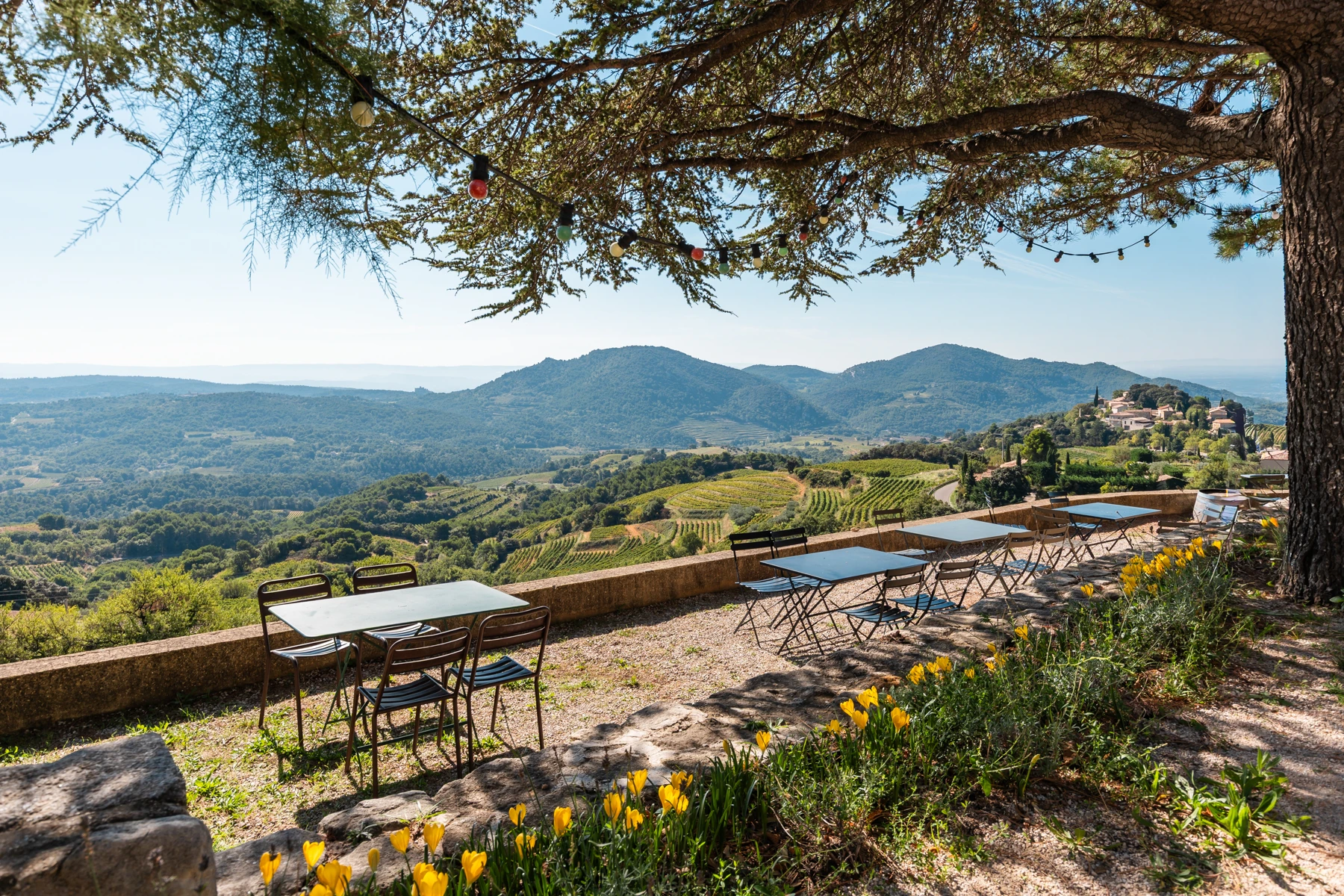
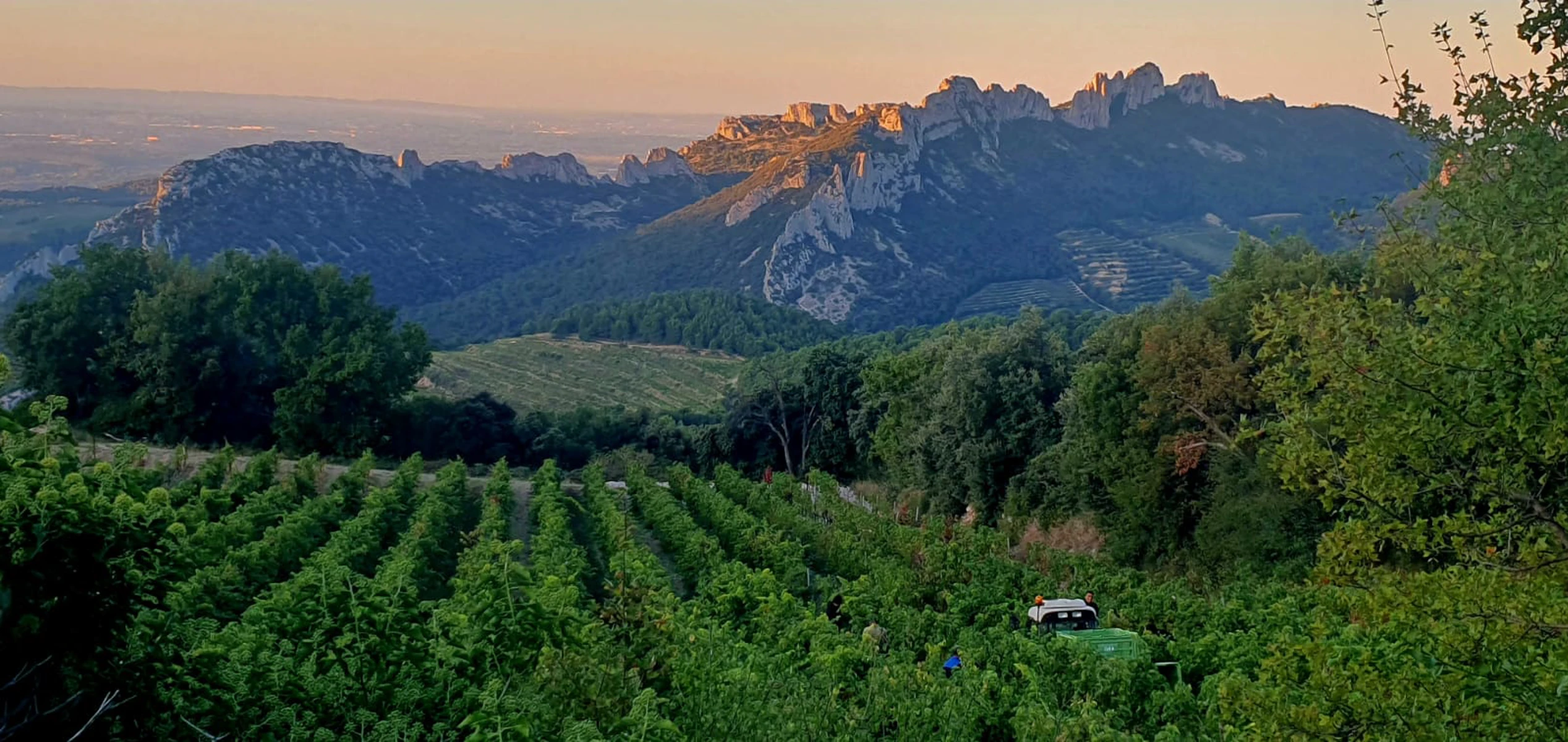
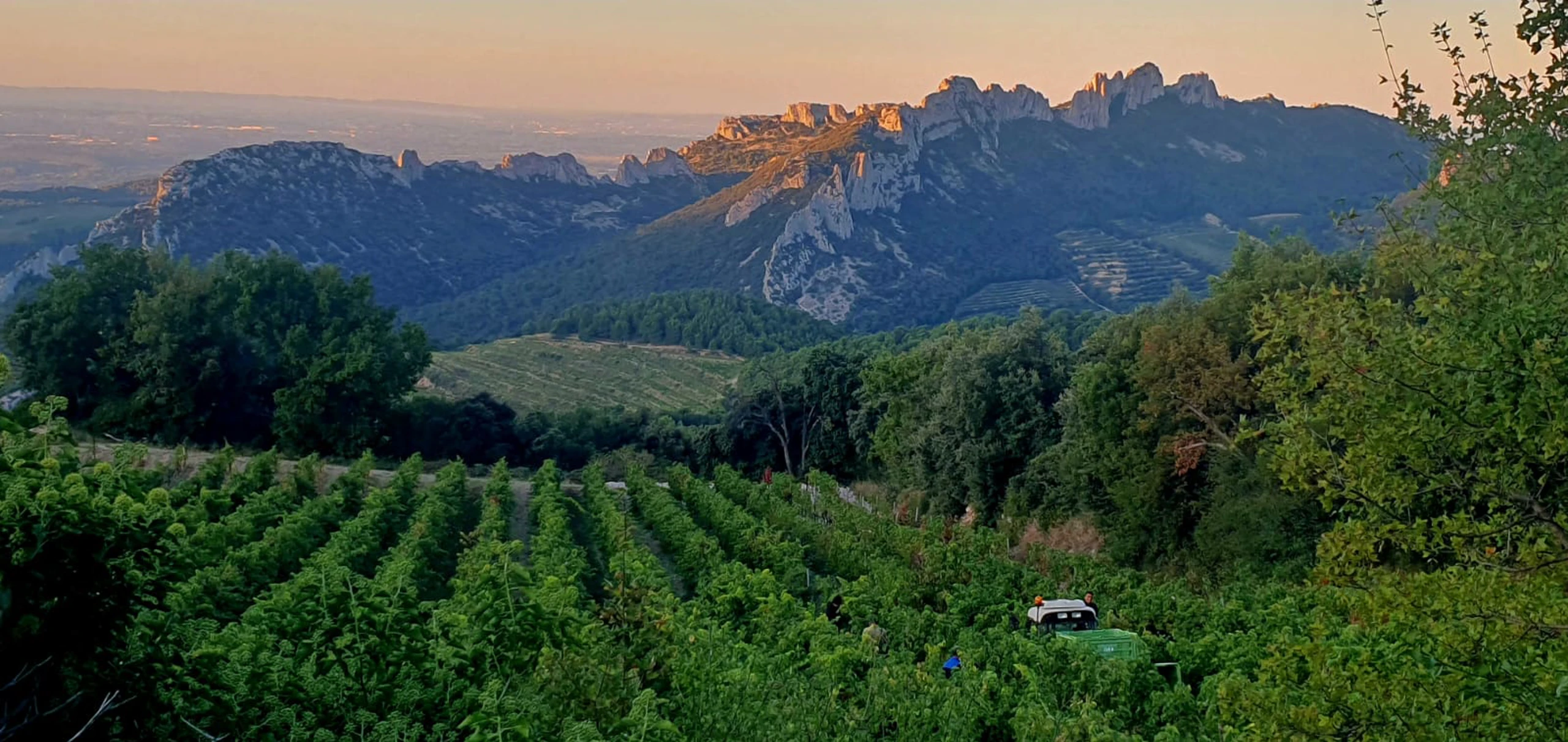
A relative newcomer among the celebrated list of appellations in the Southern Rhone, Beaumes-de-Venise is perhaps best known for its sweet Muscat and is often overlooked in discussions of serious red wine. The appellation’s reds only earned cru status in 2005 and, even now, most of what’s produced in Beaumes-de-Venise never leaves France. Perched at 450 to 600 meters in the folds of the Dentelles de Montmirail, its terraced hillside vineyards look more like a medieval hill town than the flat, sunbaked expositions of Côtes du Rhône one sees from the highway. It is a distinct terroir in a rugged appellation.
Soil, Scale, and Three Appellations
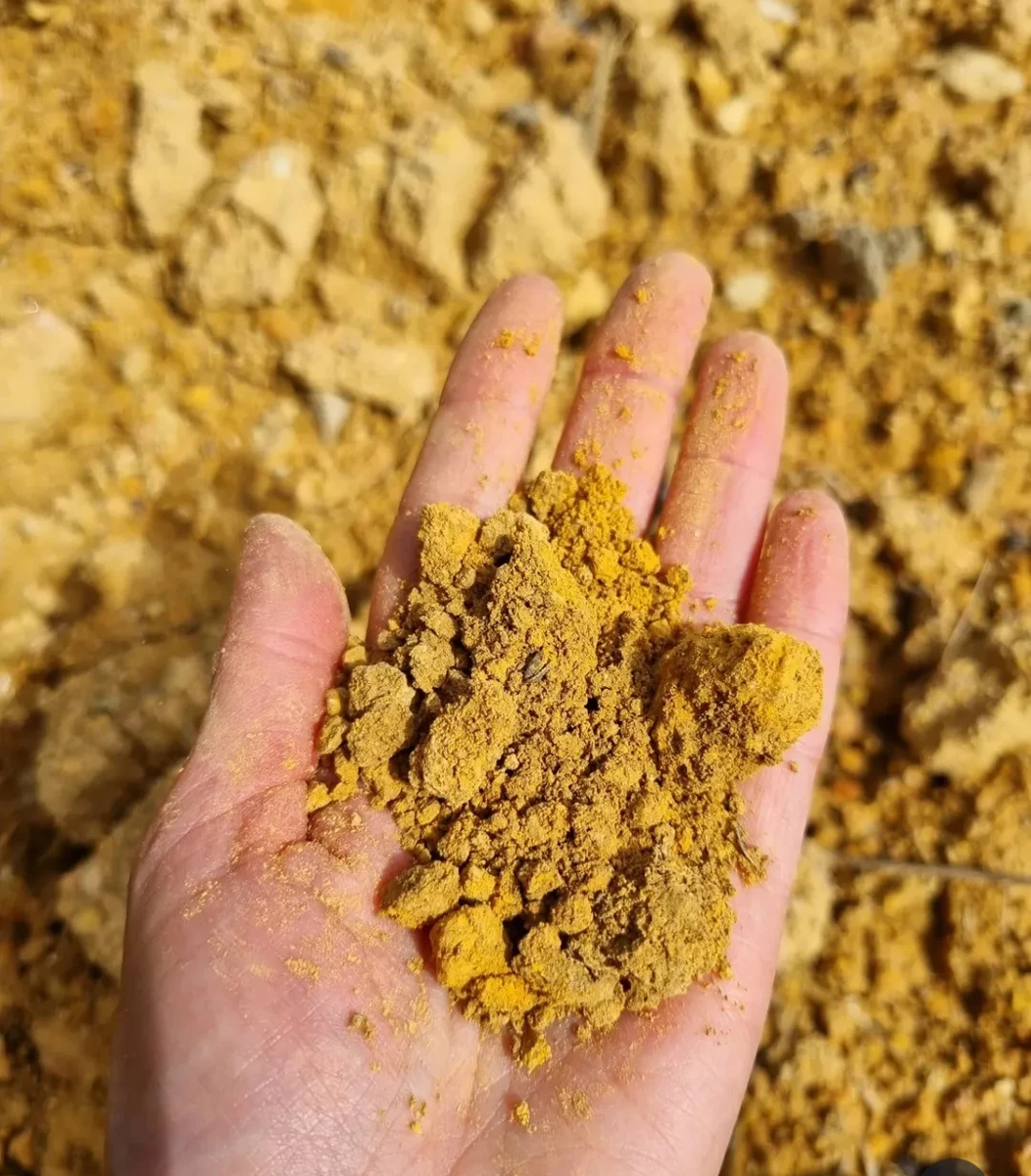
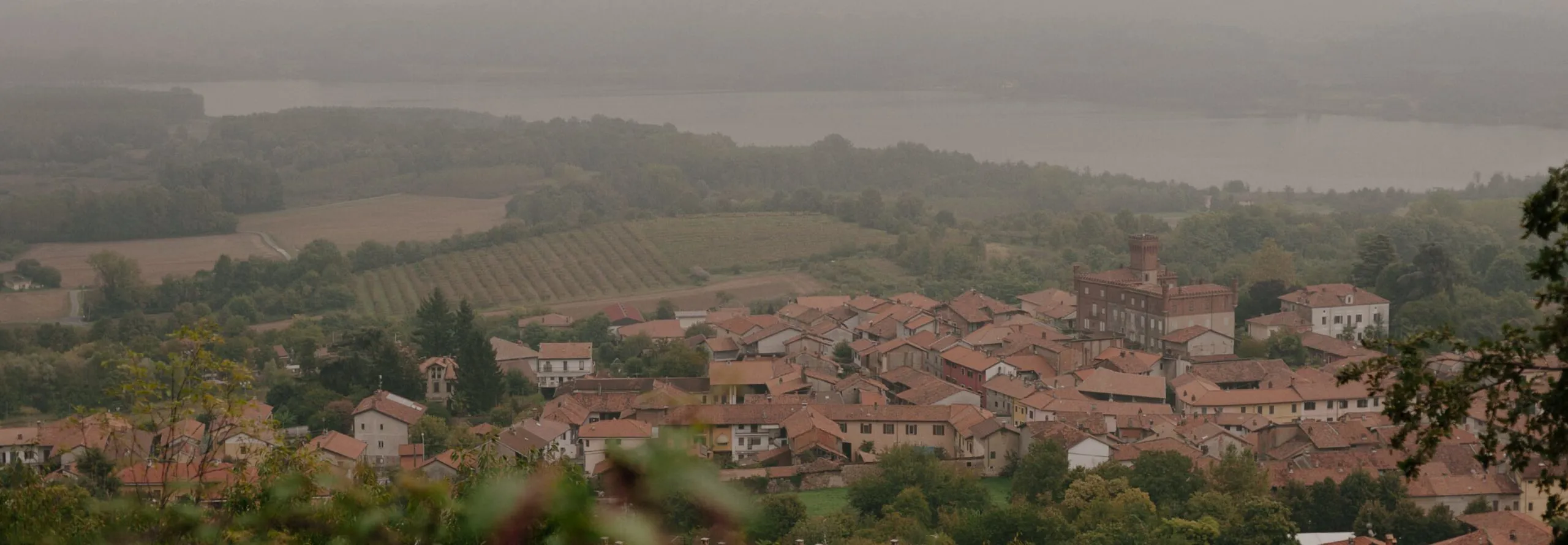
Ferme Saint-Martin is located up the hillside above the storybook village of Suzette, the estate is tended by Thomas and Sophie Jullien, who represent the third generation of vignerons. The estate takes its name from the 12th-century chapel on the property, now the aging cellar, though the domaine itself is far younger than its buildings and has been farmed by the Jullien family since Thomas’s grandfather Aimé replanted their orchards to vines after a devastating frost in 1956. The estate comprises 19 hectares of land across three different appellations, an unusual range of locations for a winery of this size. Ten hectares are classified as cru, in the communes of Suzette and La Roque-Alric. The Red and Yellow Triassic soils that dominate here are very old, 180 to 200 million years, and therefore very deep. The rest of this groundis more recent marl and limestone scree. Seven hectares are in the Ventoux appellation, split between two sites, one on clay-sand soils close to the Triassic and one on much more recent clay-gravel. The final two hectares, in Suzette, are classified as Côtes-du-Rhône and planted mostly with young vines not yet ready for cru status. In good years, the estate produces around 100,000 bottles.
A Deft Consideration of Balance
Thomas has evolved his approach in the vineyard, as Grenache at altitude behaves differently than on the valley floor. Because its acidity holds longer at elevation, one can wait for real phenolic maturity, though that patience often comes with a risk of higher sugar and corresponding levels of alcohol. To balance these factors, he works certain sites and varieties specifically for freshness, picking earlier, favoring higher yields on select parcels, using semi-carbonic maceration on some lots, and blends those brighter, lower-alcohol components directly into the riper, richer wines, orchestrating balance and freshness for the vineyard as a whole.
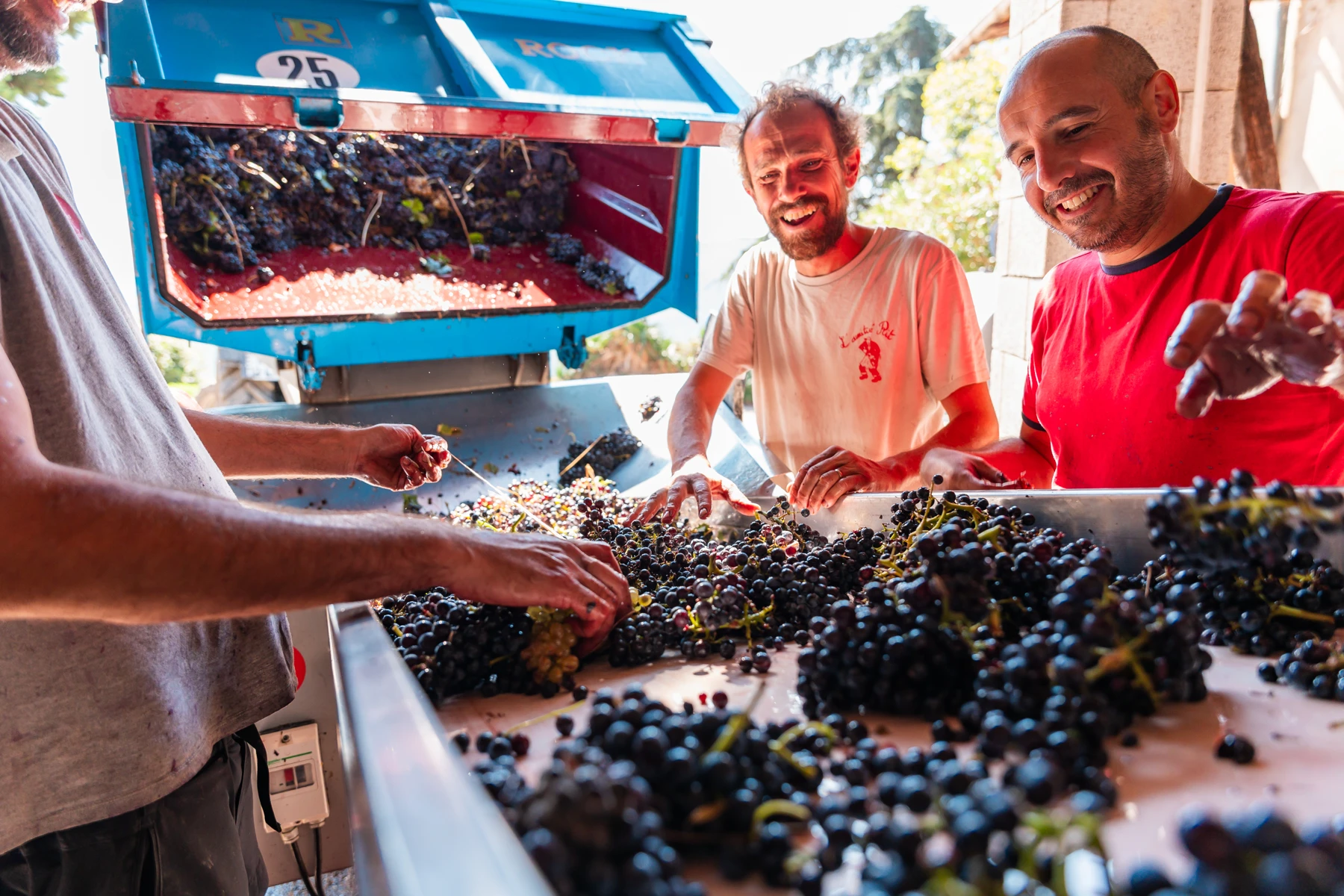
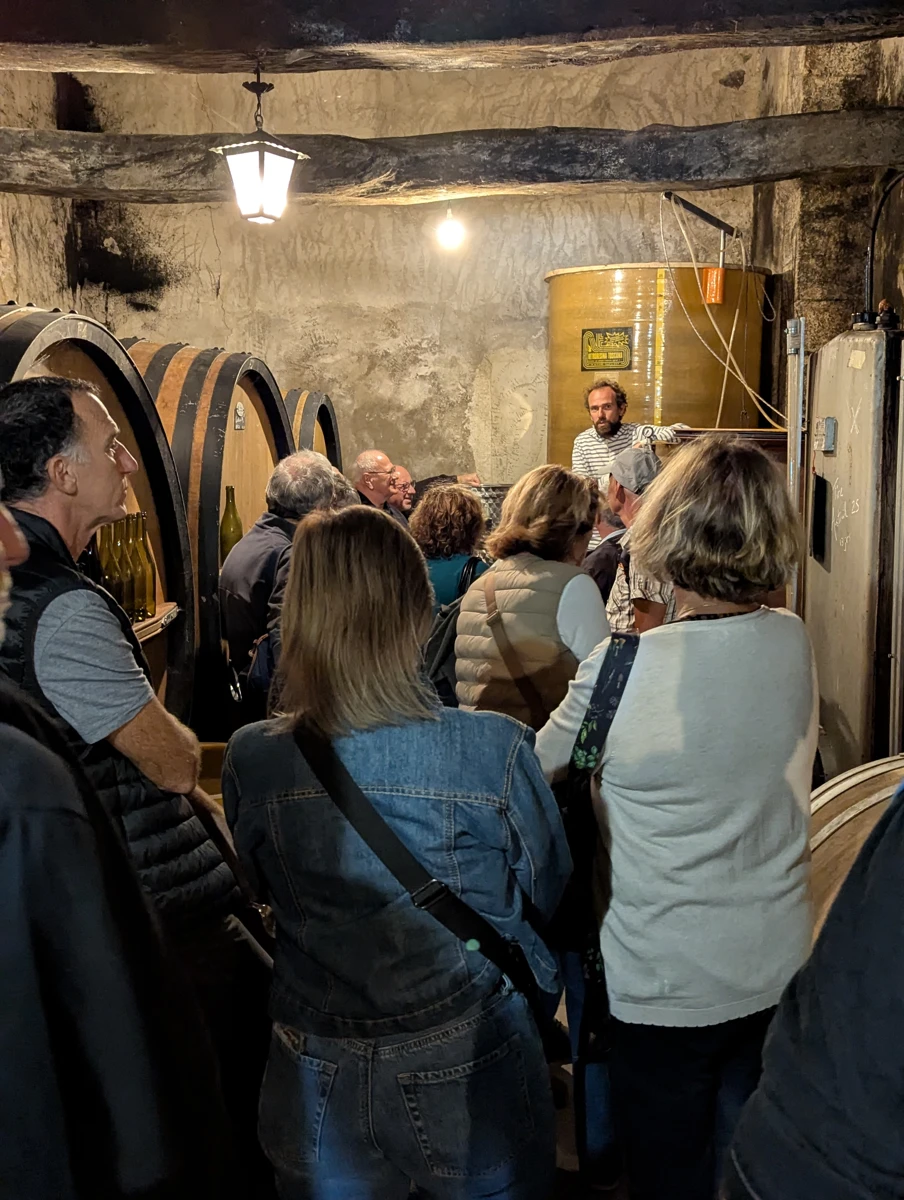
In the cellar, Thomas’s philosophy is based on restraint and precision. Grapes are hand harvested and hand sorted, then he ferments each terroir separately on its own native yeast to preserve the personality of a given terroir. Sulphites are only added as deemed necessary, usually just at bottling.