Nicolo Grippaldi
The Lone Grower of Enna
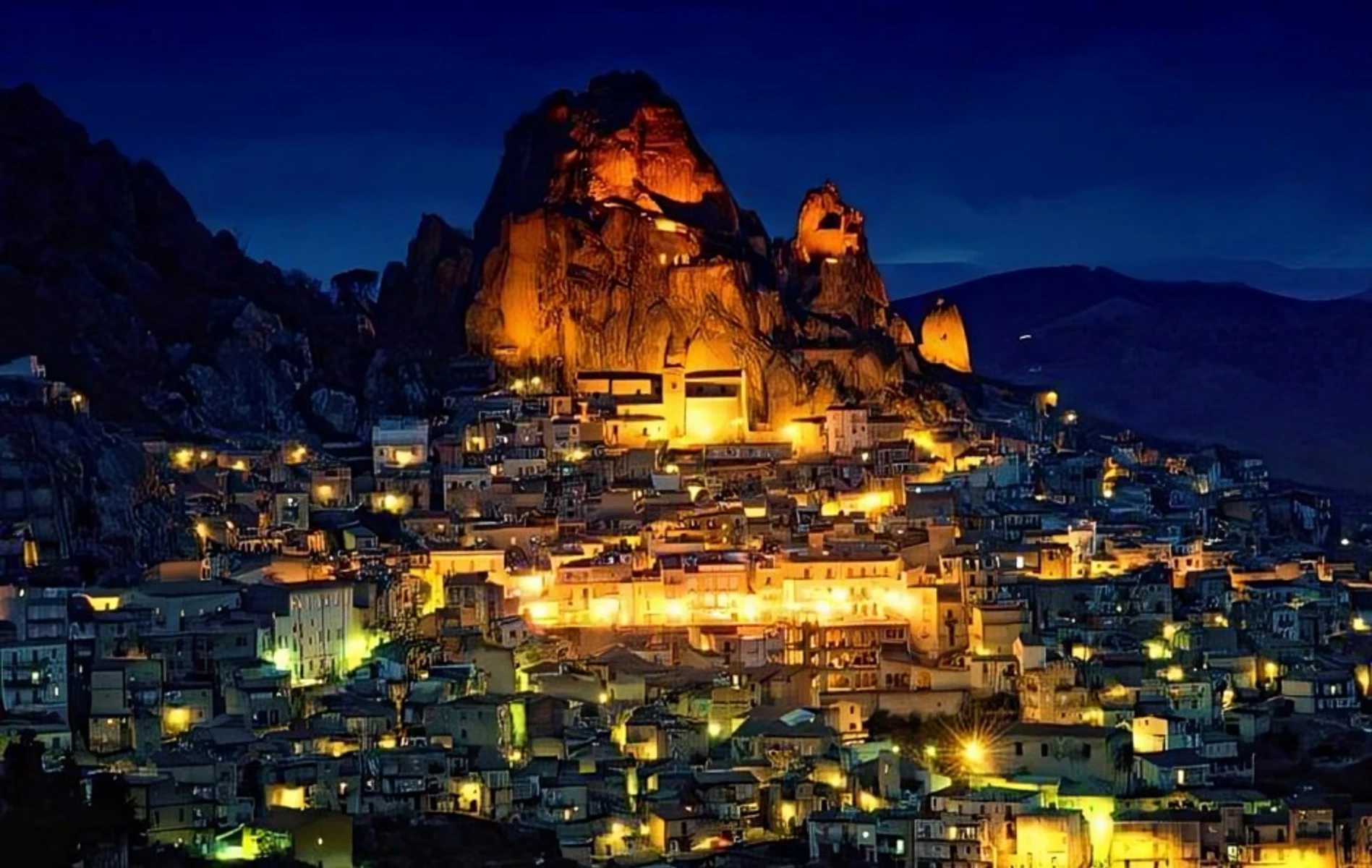
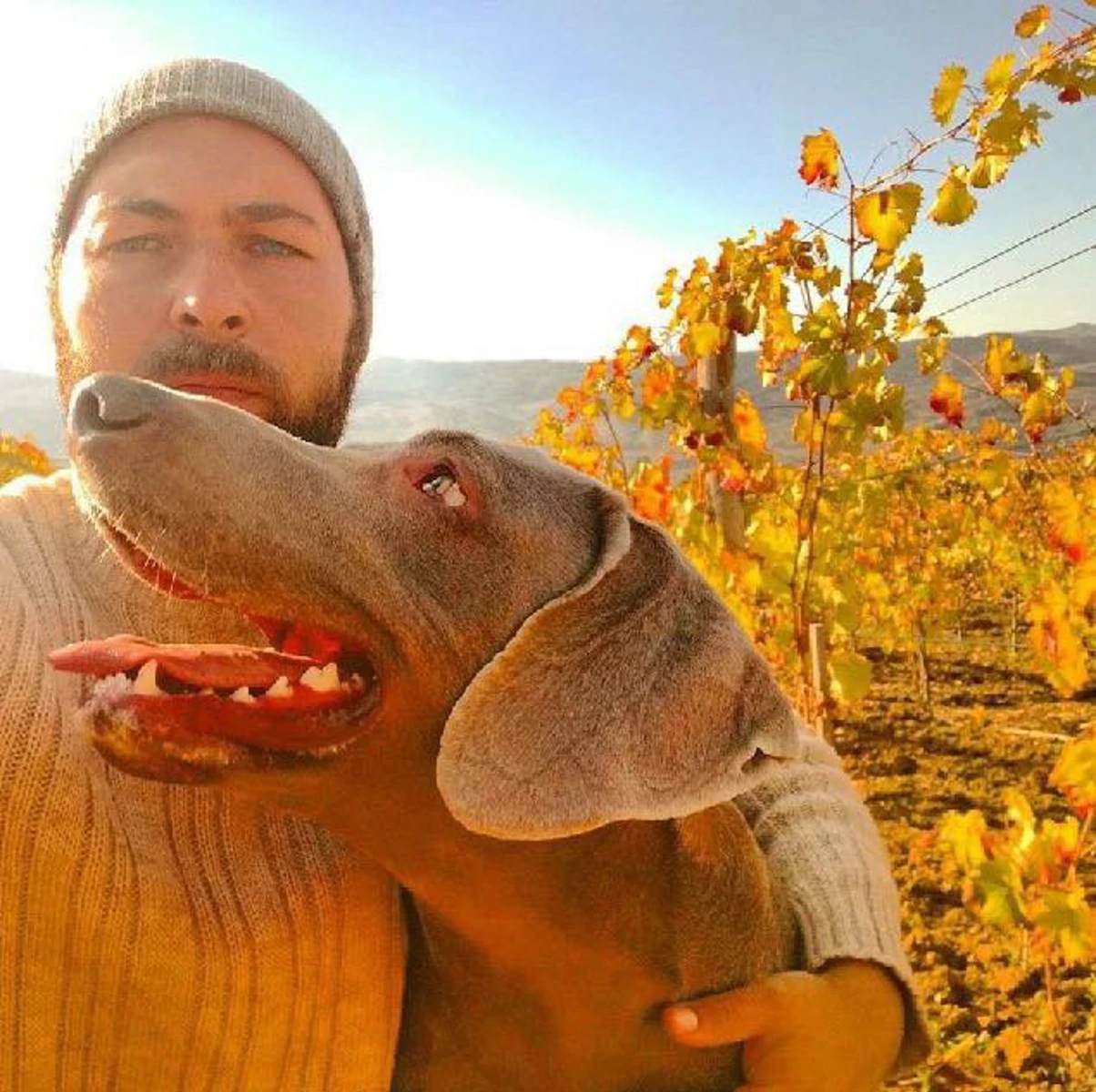
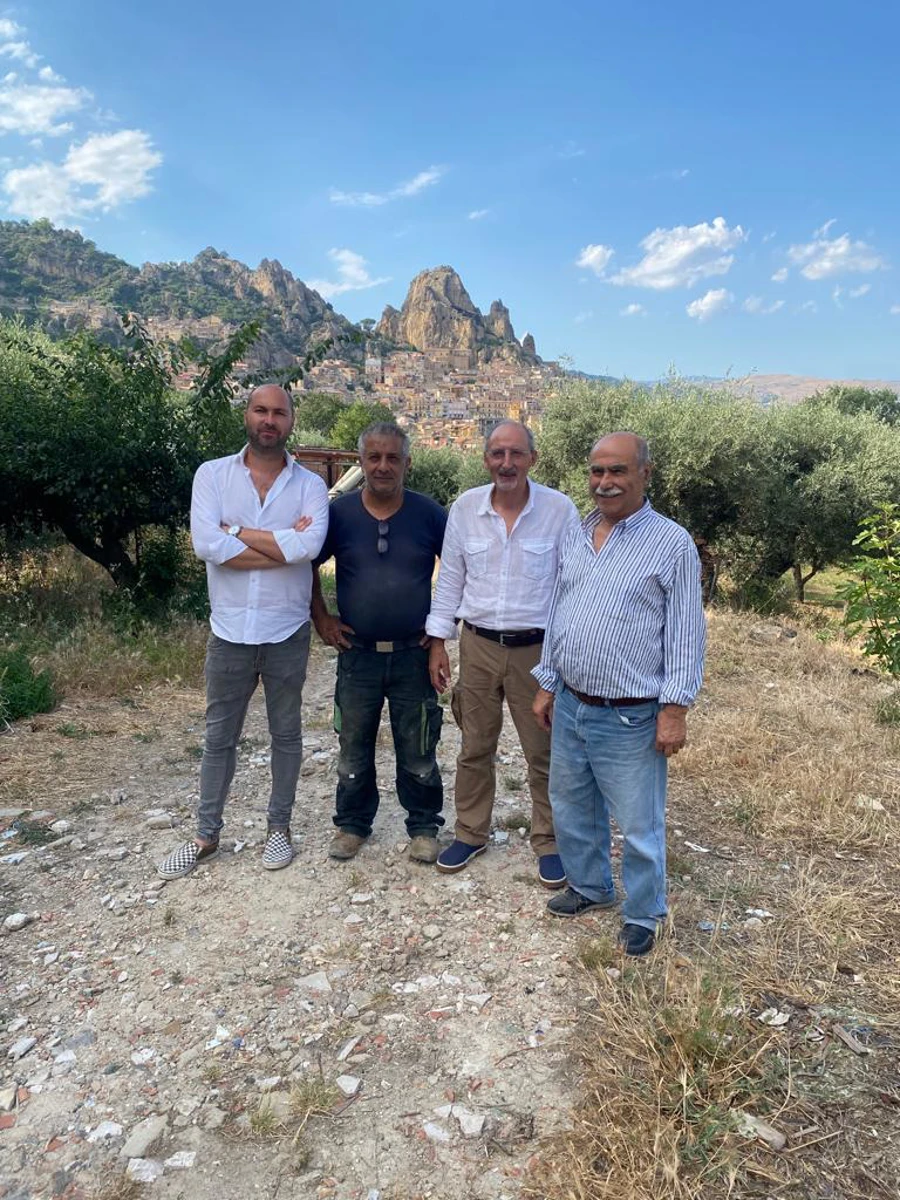
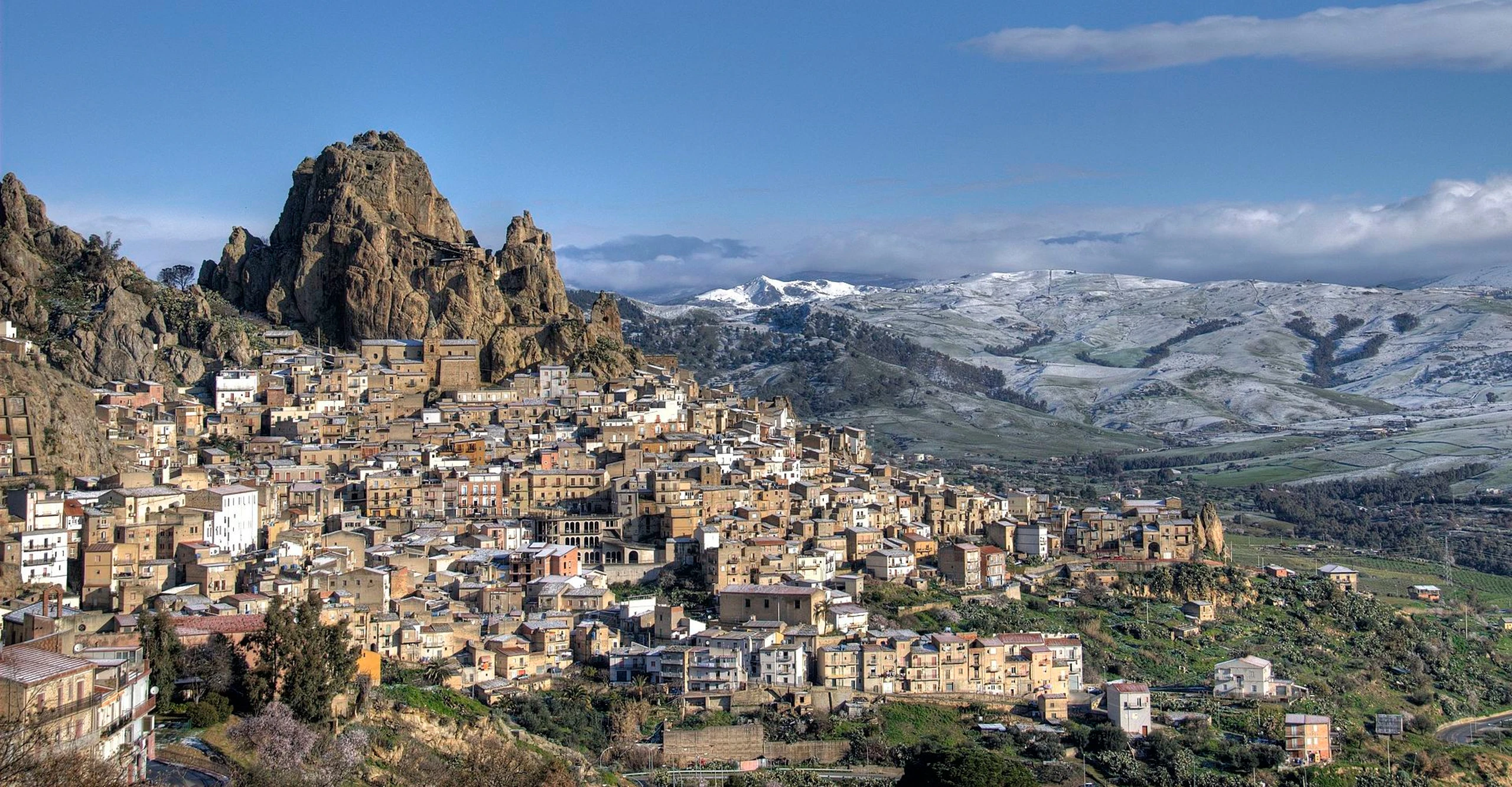
In the whole of the province of Enna, at the center of Sicily, there is exactly one wine grower. His name is Nicolò Grippaldi, and on his great-grandfather's long-abandoned land in the hill town of Gagliano Castelferrato he has, in little more than a decade, built an estate of clear vision and conviction. His aim, as the province's only producer, is to draw the world's attention to a place it barely knows—for its history and natural beauty as much as for the singularity of its terroir.
Nicolò reached out to Rosenthal Wine Merchant directly, just as a team member happened to be visiting Sicily not far from the estate. A little local research led to a first visit to his property, and it was immediately clear that the place, the man, and the wines were something special; a tasting back in Brooklyn helped solidify the team’s enthusiasm, and this fall the estate was welcomed into the fold. Having worked in Sicily for several years an appreciation for the potential of its wines has developed at RWM, and impressively, Nicolò's wines reach a high level even at this early stage in the estate's story.
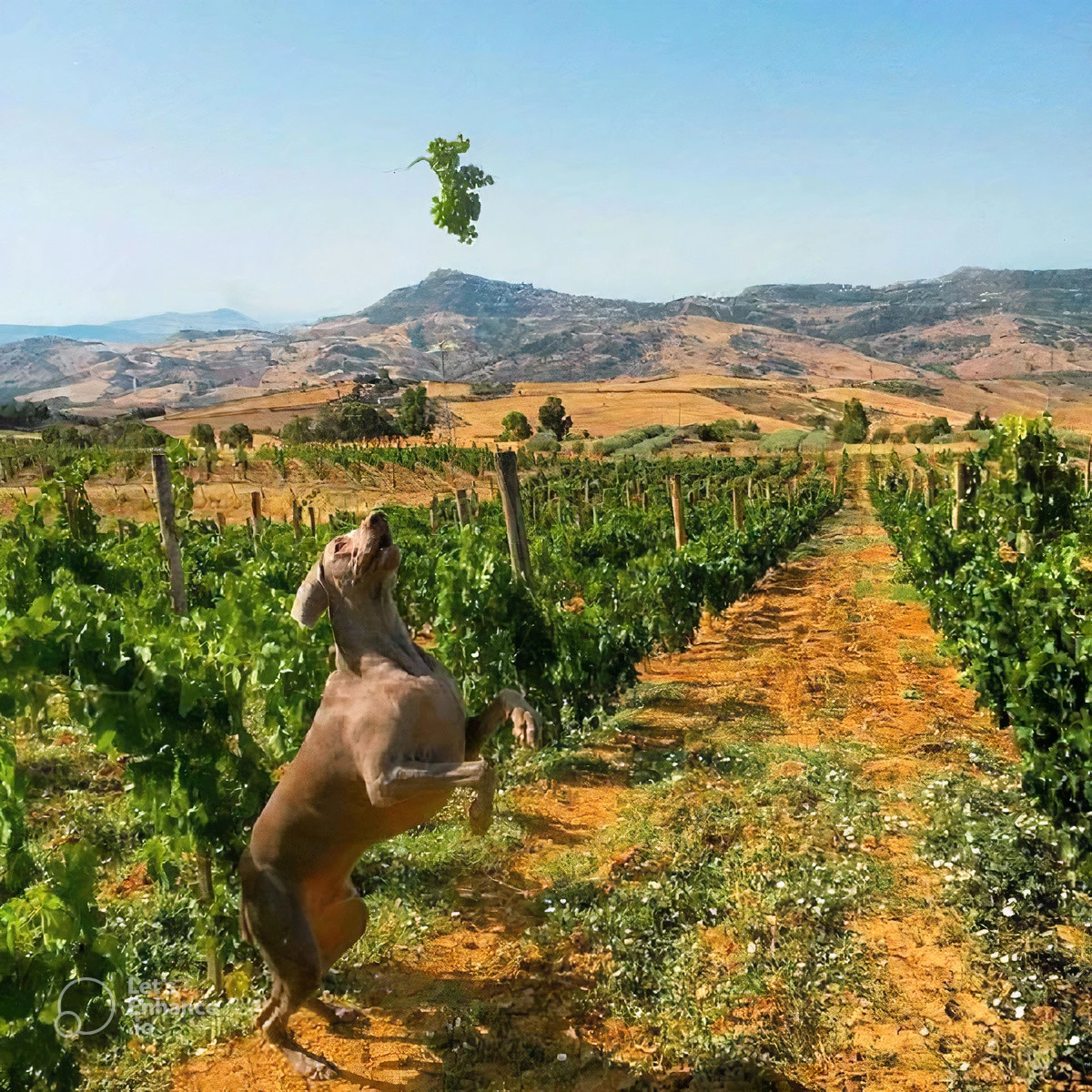
Nicolò came to wine by way of the humanities. It was while studying letters and philosophy in Florence that he first heard of biodynamics, and he went on to study with Professor Leonello Anello, a former consultant to benchmark estates in Tuscany, before returning to Sicily to make wine on his family's ancestral land—land that had lain essentially abandoned since his great-grandfather's day. In 2015 he planted some 13,000 vines there, and his first vintage followed in 2018.
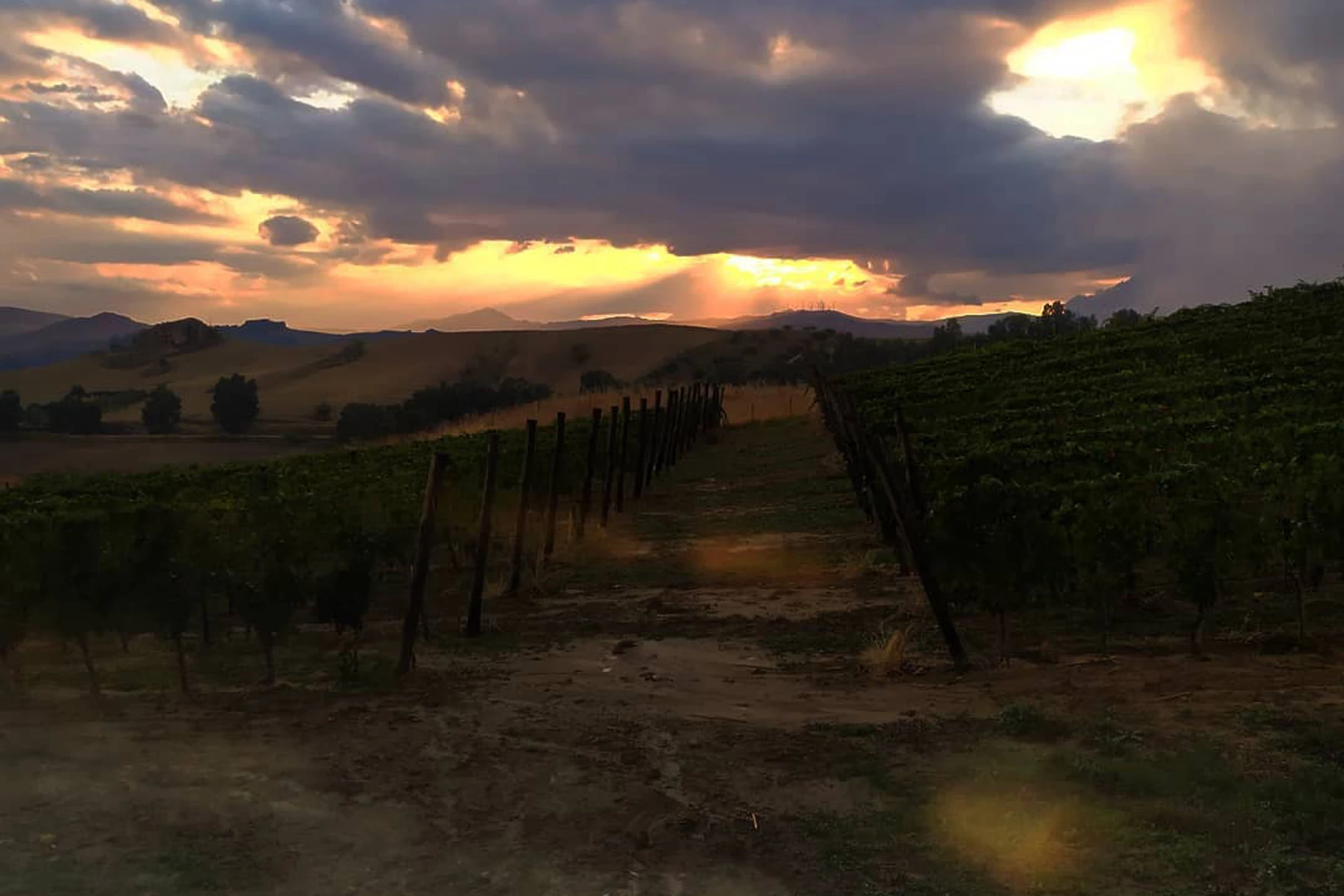
Gagliano Castelferrato holds a storied place in the island's history: it was the first human settlement on Sicily, and in the Middle Ages its perch some 650 meters above sea level made it a strategic high point. The same altitude gives Nicolò's vineyards a fresher position ideal for the vine, and the ground beneath them is unusually varied—blue clay and volcanic deposits, limestone, parcels of slate (which Nicolò considers best suited to Nero d'Avola), and quartz-rich soils (best suited, in his view, to Nerello Mascalese).
Most of Nicolò's 3.3 hectares of vines date from that first planting in 2015. In front of the cellar, however, stand four ungrafted vines from his great-grandfather's era—pre-phylloxera survivors thought to be some 200 years old, carrying ancient clones of both Nero d'Avola and Nerello Mascalese. Nicolò took cuttings from these vines and grafted them in the vineyard to carry those clones forward, and in the sandier sections some vines grow on their own roots (franc de pied). The old-vine cuttings are the sole source of the estate's two single-parcel wines; the two blends rely, wholly or in part, on more recently selected clones.
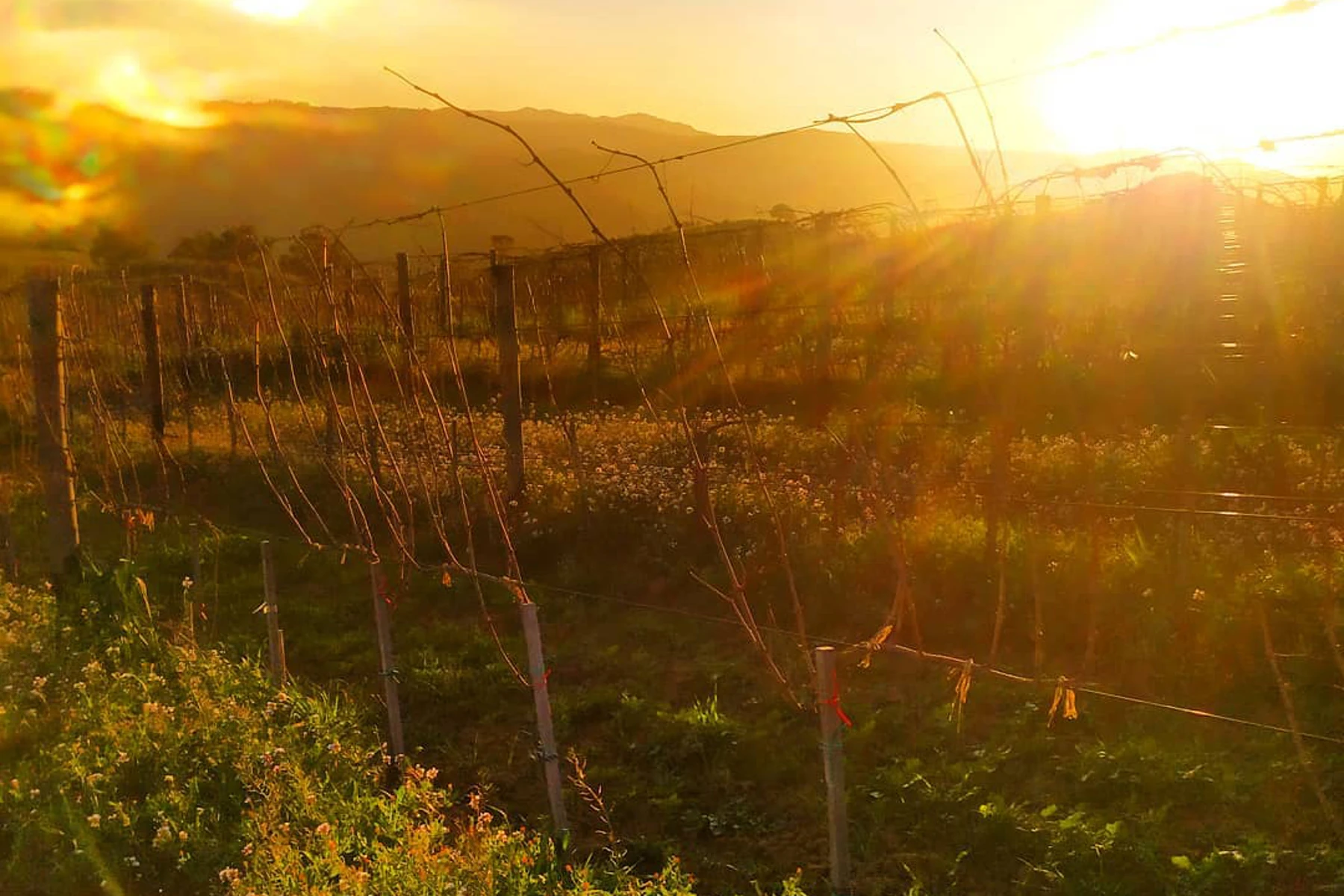
Nicolò works his vineyards with the utmost respect and an adherence to the most demanding practices, guided by what he learned over many years from Professor Anello, and through his experience each year, listening to what his vineyard tells him. Each autumn he sows a cover crop of legumes, grasses, and brassicas to give the soil structure and vitality; he sprays biodynamic infusions on the land and, three times before each harvest, horn silica into the air; and he prunes by hand, vine by vine, on days chosen by the lunar calendar. No herbicides, synthetic products, or chemical fertilizers are used, weeds are cleared with a hoe, the vines are never irrigated, and rather than topping them in summer, Nicolò weaves their shoots along the highest wire. At harvest, the entire crop is picked by hand in a single day, the bunches selected one by one into small crates—which is why the estate's blends are co-fermented.
In the cellar, all of Nicolò's wines are made in essentially the same way. After a two-day cold soak, the grapes ferment spontaneously (no yeasts are ever added) in concrete vats of 25 and 50 hectoliters, with pump-overs and punch-downs by hand in the first few days; the maceration that follows is long and gentle, lasting at least two months depending on the year, and the malolactic fermentation takes place naturally on the skins. The wines then rest on their fine lees with regular stirring and are generally bottled after a year in concrete—no wood is used at any stage—having settled naturally in the cold of the cellar, without filtration, with rackings timed by the lunar calendar and sulfur added only in low doses (two grams per hectoliter). Nicolò is patient thereafter, holding the wines at least two years in bottle before release.
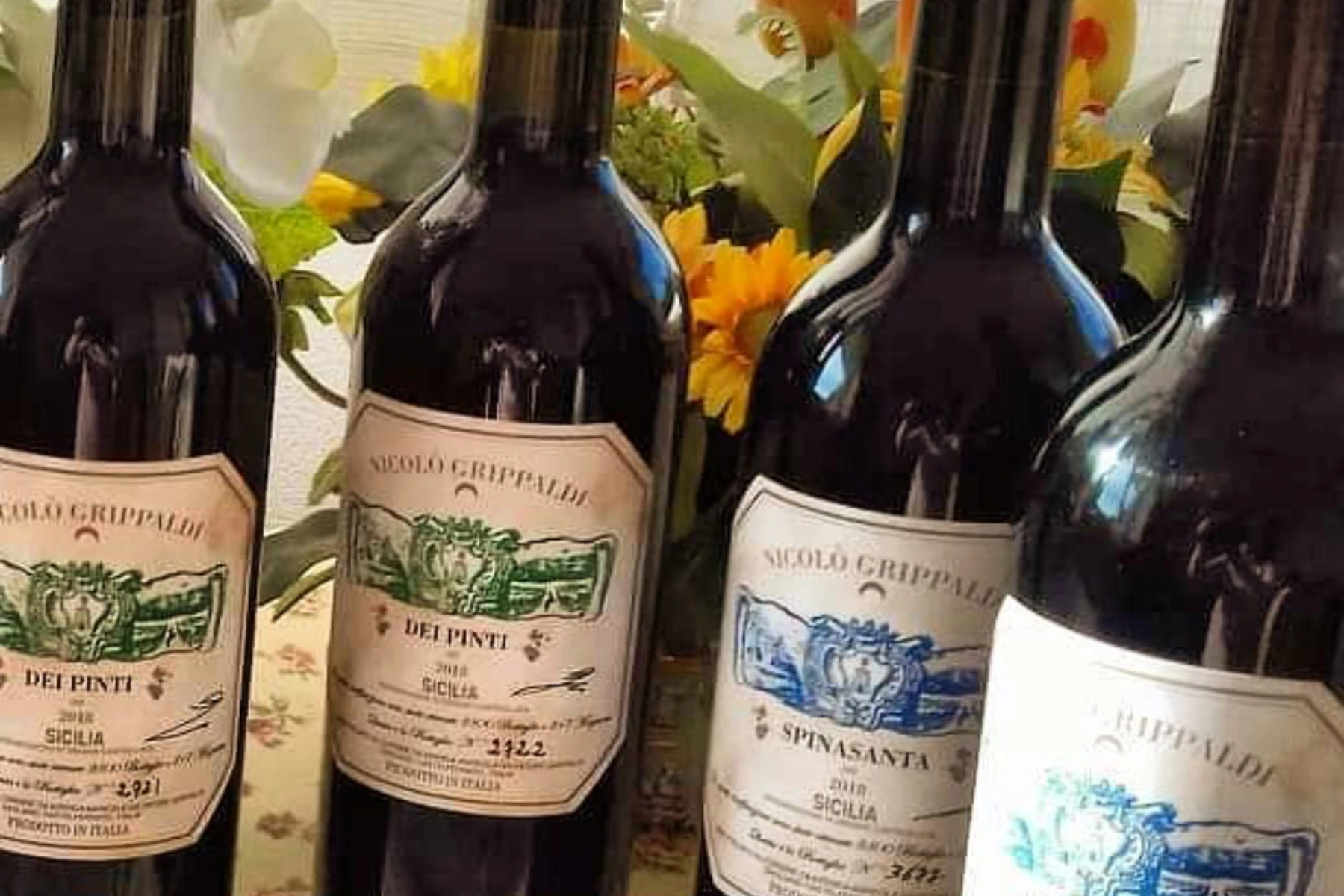
The range divides neatly into two pairs. Il Vino di Pico and Dei Pinti are co-fermented blends of equal parts Nero d'Avola and Nerello Mascalese, distinguished from one another by their vine selection and their aging; Salvatore Grippaldi and Spinasanta, equals in the range, are single-variety, single-parcel wines made exclusively from cuttings of the old family vines, each grape planted on the soil Nicolò chose for it—Nero d'Avola on slate, Nerello Mascalese on quartz.