Rediscovering Palomino in Jerez
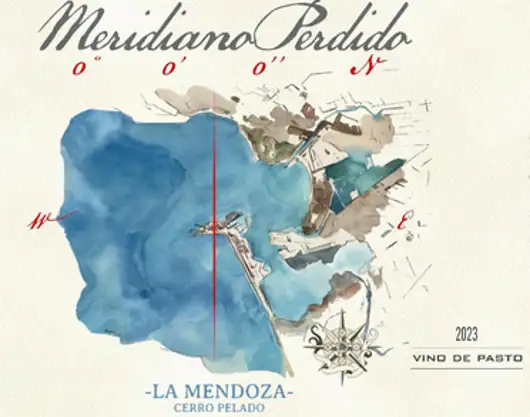
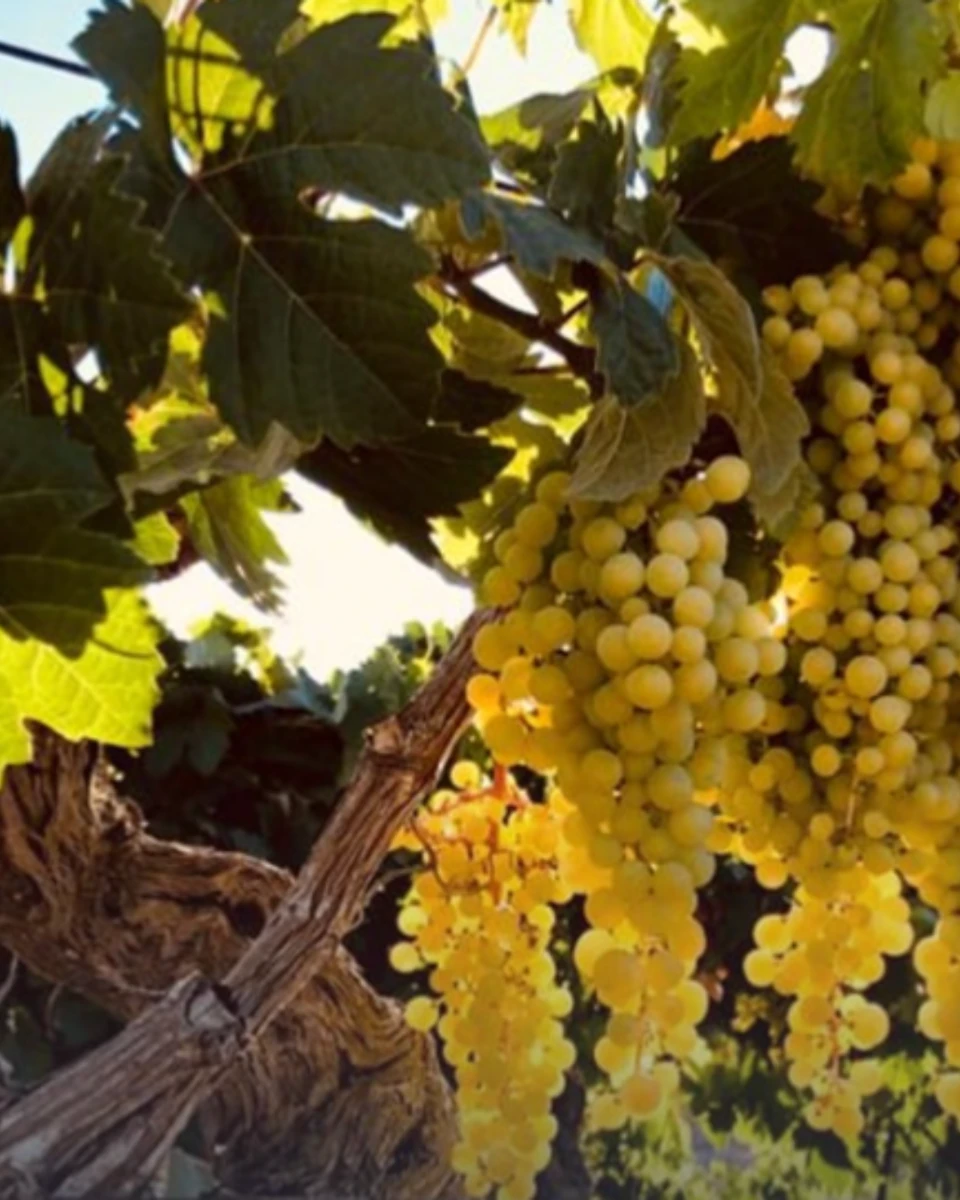
Palomino has long carried a reputation as a neutral grape, and in Jerez that reputation has a history. From the early 1970s and into the 1980s, something like 95 percent of the Palomino planted across the Marco de Jerez was re-grafted to Palomino Californiano, a productive, disease-resistant clone, and it is Californiano that is largely responsible for the variety's reputation. The grape itself is anything but neutral—it is the high-yielding clone, cropped at 100 hectoliters per hectare, that made it seem so. Among the rare exceptions is the La Mendoza vineyard in Pago Cerro Pelado, planted in 1968 and one of the very few old vineyards left in the region still planted to multiple clones of Palomino—and the source of the flagship wine of Meridiano Perdido, the project of Joaquín Gómez Beser.
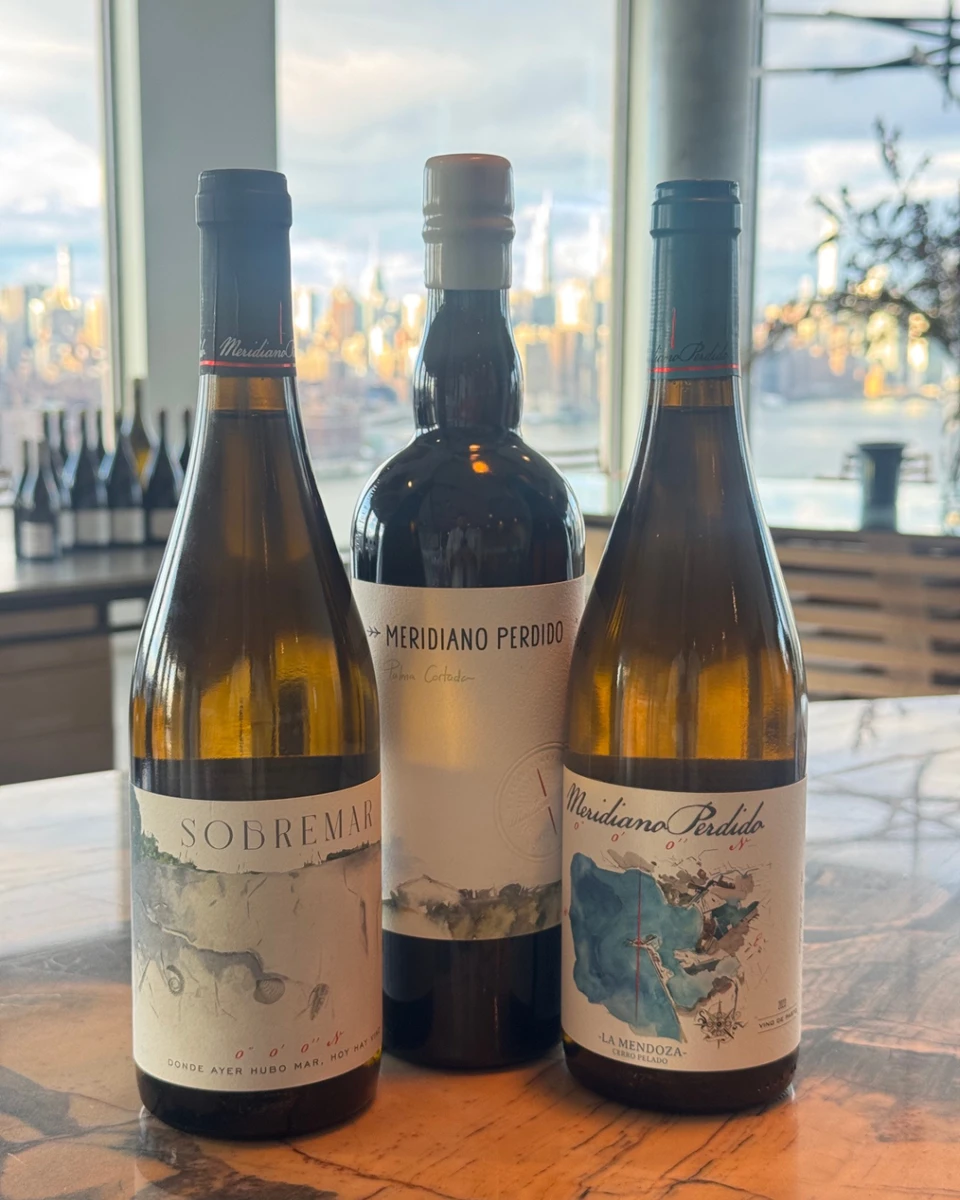
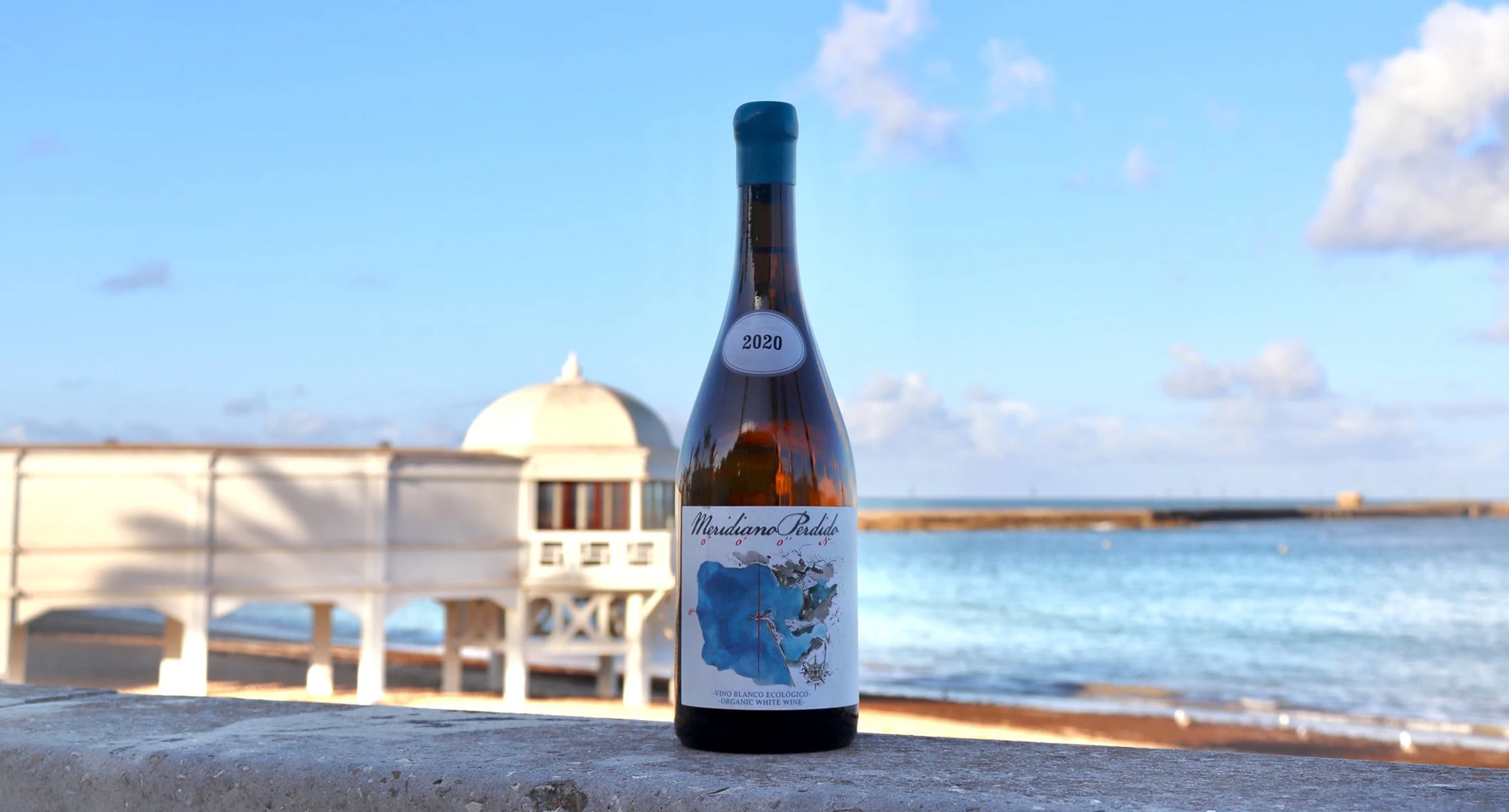
Rosenthal Wine Merchant was introduced to Joaquín through a colleague who had worked with his wines before. The wines’ bright salinity and their spirit—that speaks of their coastal provenance and of the traditions of the region-quickly captivated the room. In talking with Joaquín, the thoughtfulness and care behind the project became evident, and after tasting several vintages, and coming to understand how the wines reflect the local history while speaking with an identity all their own, RWMmade the leap to add the estate to our portfolio. Work in Andalusia has led to Jerez de la Frontera and Sanlúcar de Barrameda, and lefta deep appreciation for the magic of the region's wines; Meridiano Perdido expresses the beauty of ancient strains of Palomino Fino in three distinctive dry wines, as well as a rare Palma Cortada Fino.
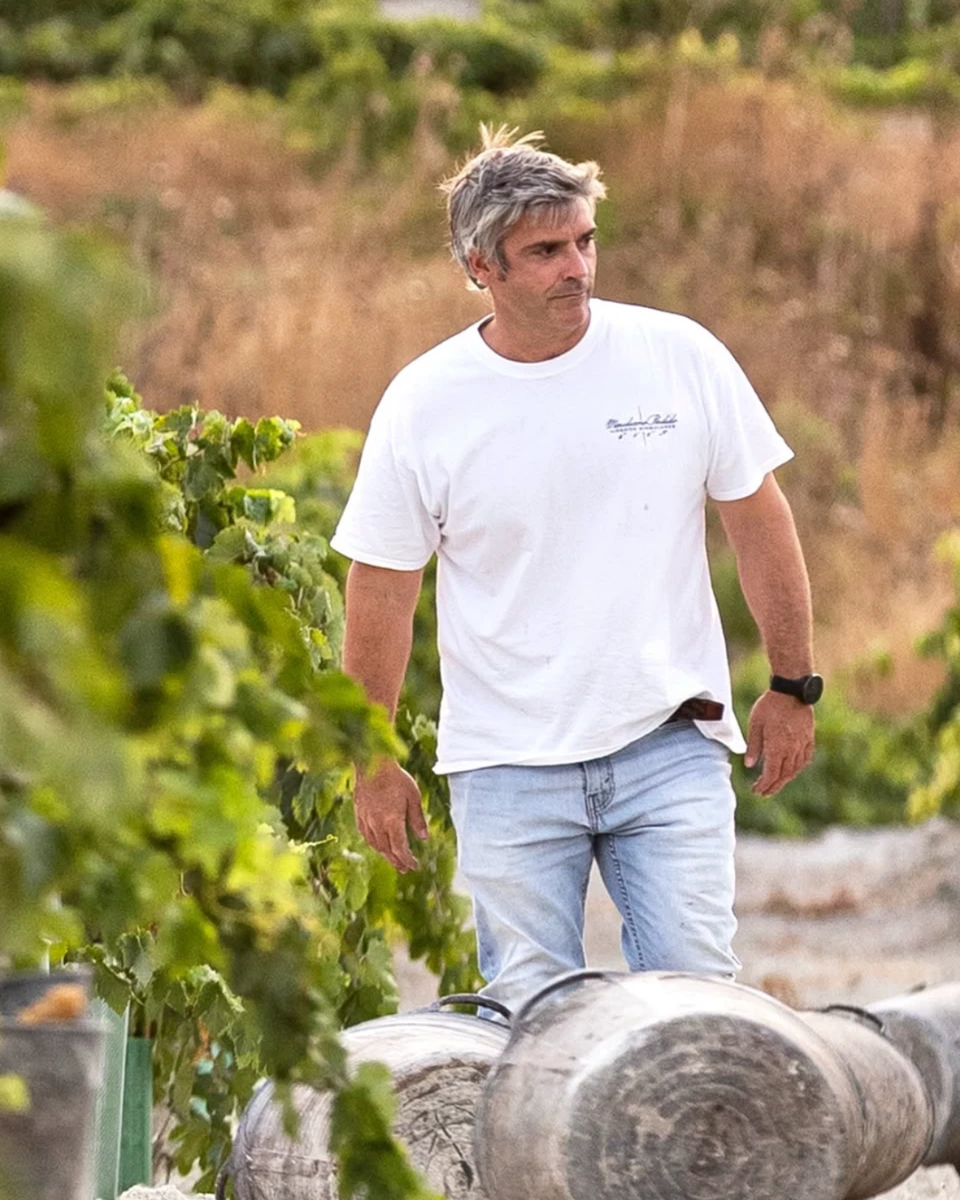
Joaquín comes from a family with a very long history in the Jerez wine trade. As the fortunes of Sherry waned over the 20th century, the family business made less wine and more vinegar, and today it is devoted entirely to vinegar, which it exports to a couple dozen countries; Joaquín remains part of it. Something of a polymath, he holds degrees in pharmacology and oenology as well as an MBA, is in the late stages of his Master of Wine candidacy, and has made wine for Bodegas Miguel Domecq and at the cooperative in Trebujena. He founded Meridiano Perdido (“Lost Meridian”) in 2019, and has been refining its vision and his practices in the cellar ever since, with wines that improve with each vintage. He is also a member of the Territorio Albariza collective.
Meridiano Perdido's vineyards lie in two pagos: Cerro Pelado, in the northwest of the Jerez de la Frontera growing zone, where La Mendoza sits, and Añina. Joaquín farms them with the utmost respect for the health of the vineyards, always with organic treatments. These are unfortified wines, and they look back to a time when the styles of wine knownwe know collectively as Sherry co-existed in Jerez with others—most notably the vinos de pasto, the region's historic wines for the table. Flor, the veil of yeast that forms on the wine, occurs naturally in Joaquín's cellar, but he harnesses its powers in a carefully guided way: Palomino is a low-acid variety, and since flor consumes sugar, alcohol, oxygen, and glycerin, encouraging it to consume as much glycerin as possible is a natural means of giving the wines more linearity and freshness. In vintages when a wine shows a more voluptuous profile, Joaquín leaves more headspace in the barrels to encourage a larger and more active colony of flor.
Joaquín's thinking is perhaps clearest in his Palma Cortada. In the bodegas of Jerez, wines in cask are classified not only into the great categories everyone knows but in an internal language of chalk marks on the barrels, and palma cortada is one of its terms. Joaquín's comes from the 2019 vintage, aged statically in 1,000-liter botas rather than through the classic system of criaderas and soleras; after seven years of biological aging, the veil of flor disappeared naturally and an oxidative aging began, bringing texture and complexity. Joaquín puts it simply: “At that moment I decided to bottle it instead of sending it to Amontillado.” He labels it Palma Cortada to give the wine an identity of its own rather than see it classed among some of the more basic Finos, though the regulations require the word Fino on the back label; it stands at 15.5% alcohol.