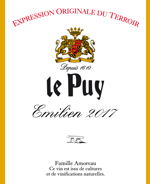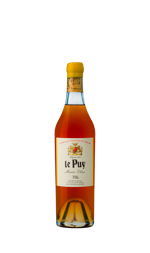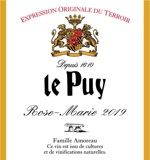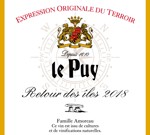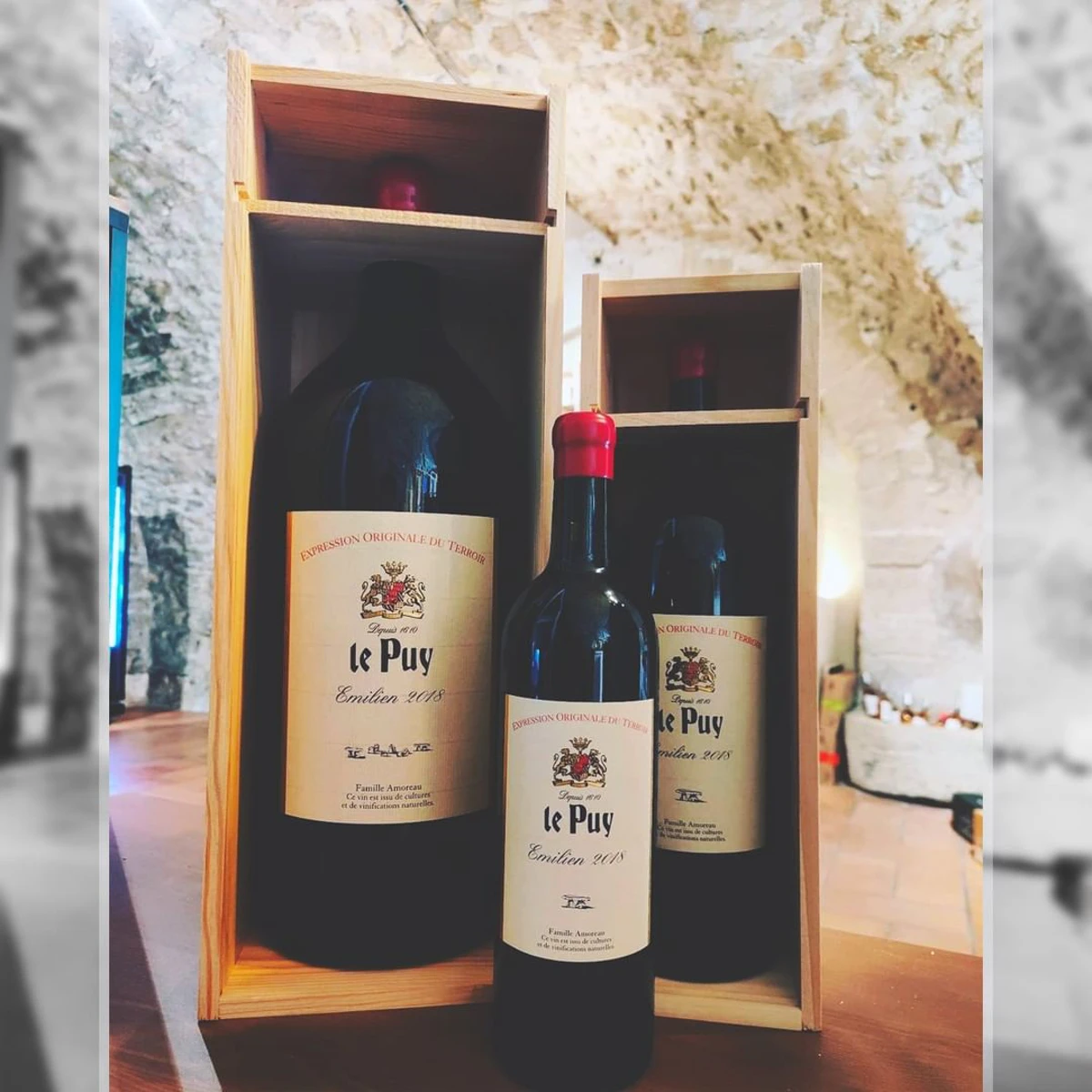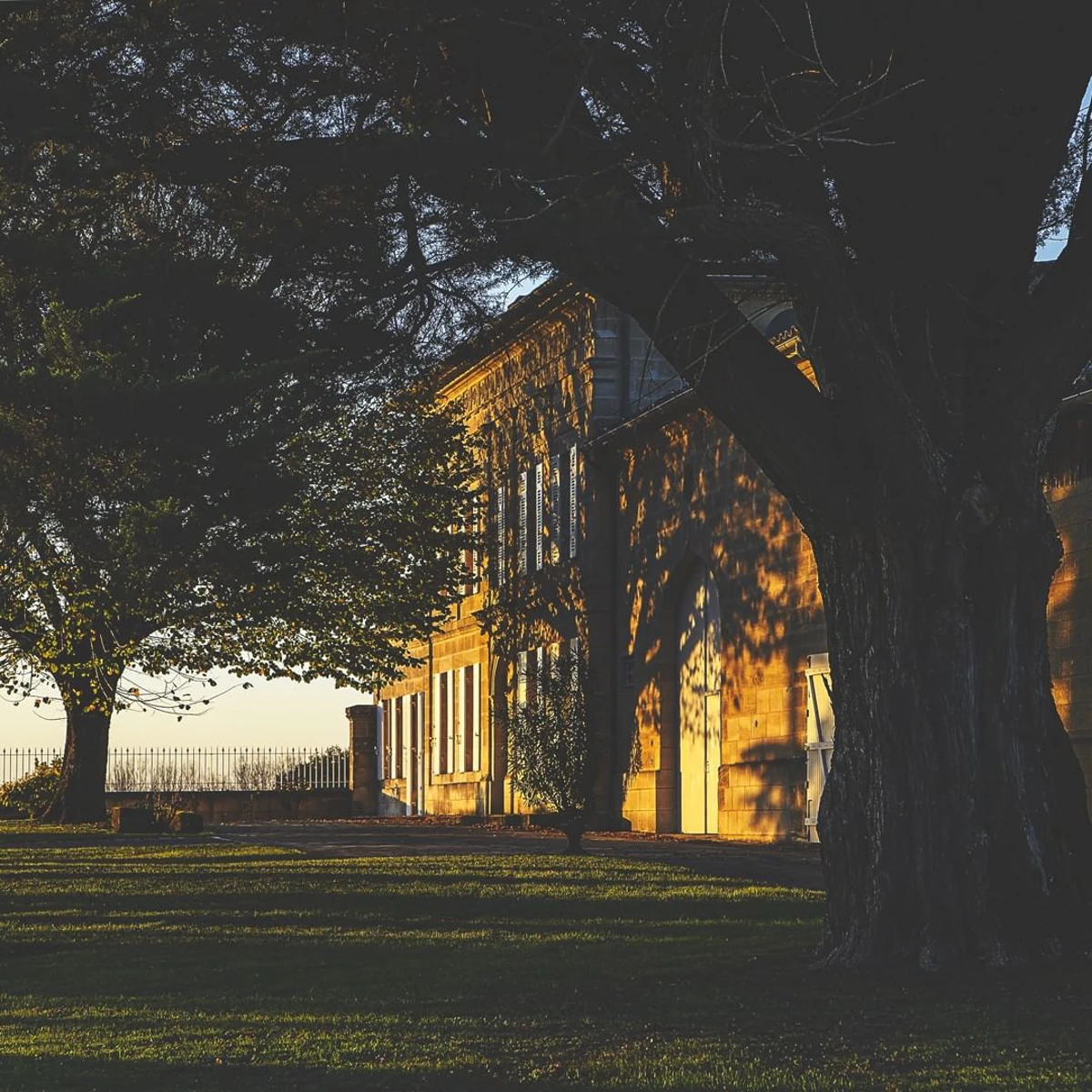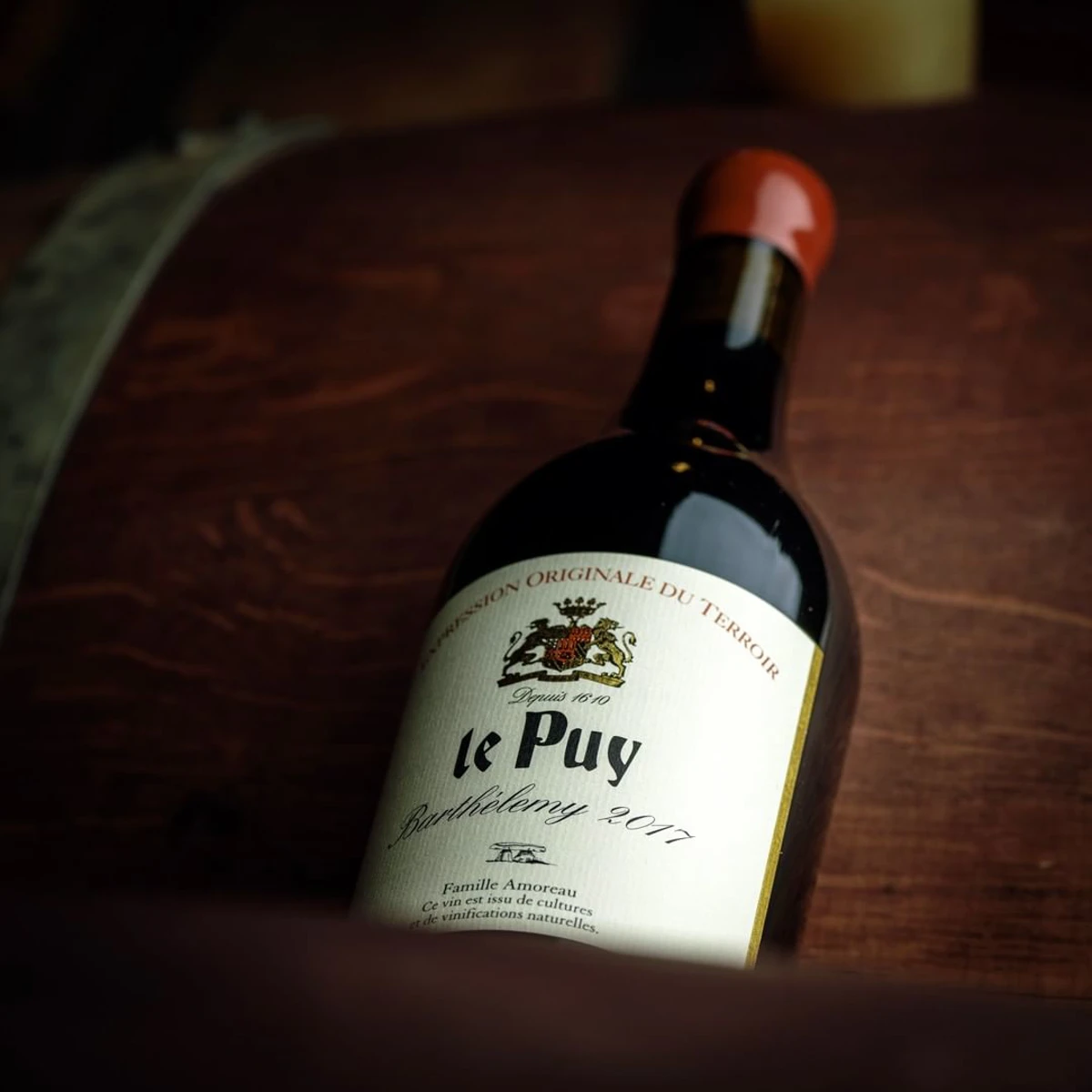
In continuous operation by the Amoreau family since 1610, Rosenthal Wine Merchant is currently working with the 14th generation at this singular estate.
With its 400-year continuous Bordeaux history and unbroken commitment to traditional farming and winemaking, Château Le Puy is unmatched in terms of lineage, purity, and conviction. These are wines for those who thrill to a wine’s expression of place, links to history, and sheer integrity of process and soil. In an era of globalized taste and stylistic drift, these are wines that speak plainly, and profoundly, of where they come from.
Radical by Tradition
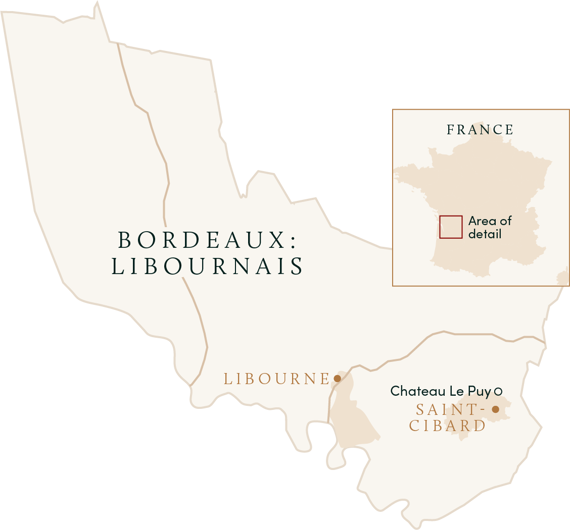
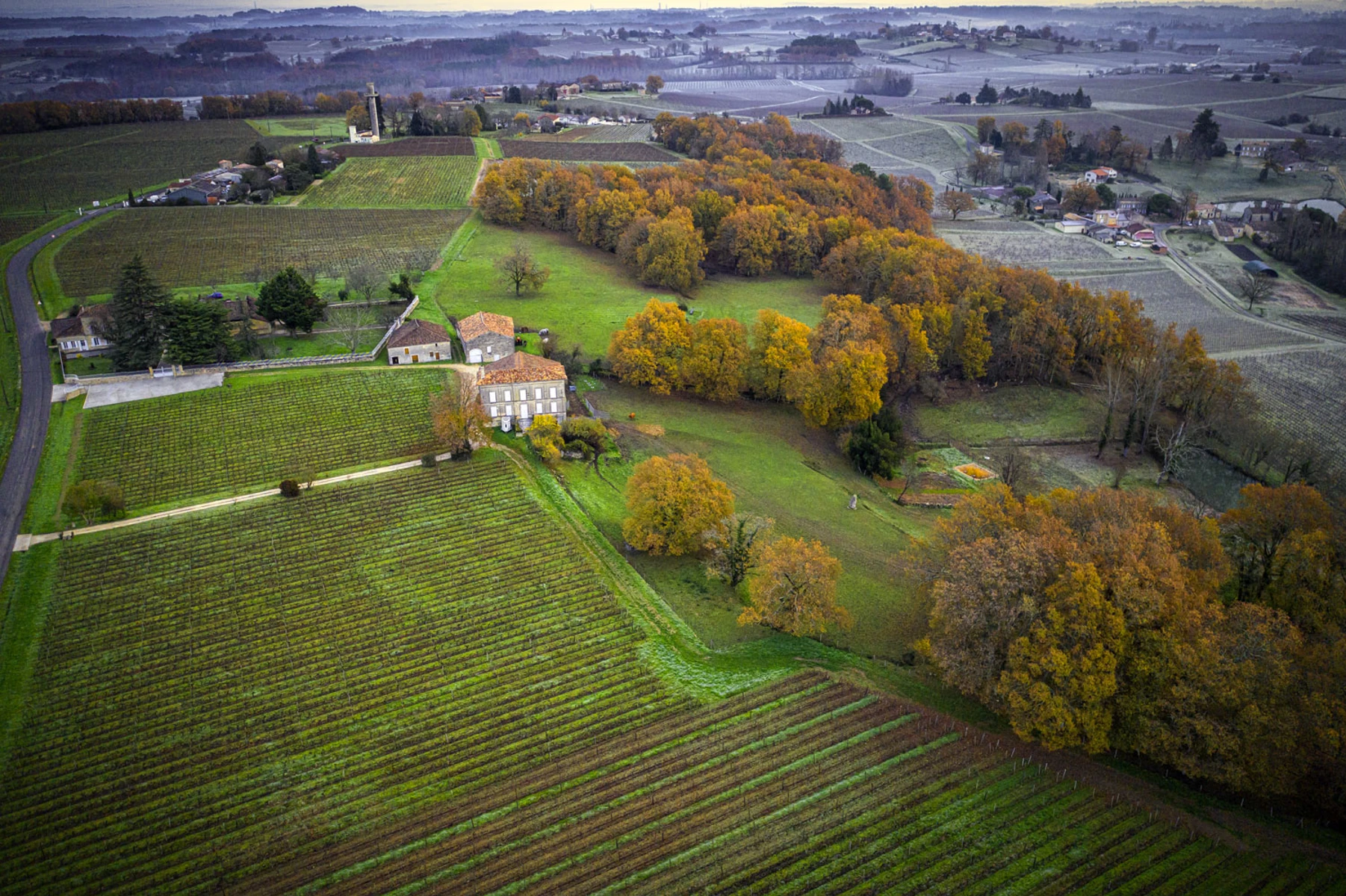
In a region as codified and conventional as Bordeaux, the very existence of Château Le Puy is improbable. Perched just east of Saint-Émilion, atop the Asteries limestone plateau and a short hop from the departmental border between the Gironde and the Dordogne, this 14th-generation estate has preserved a way of working—and thinking—that has remained virtually unchanged for centuries. The Amoreau family has farmed here since 1610, always with a commitment to purity and tradition. Today, Château Le Puy is led by Jean-Pierre Amoreau, who, along with his son Pascal and daughter Valérie, carries forward a winemaking tradition that not only eschews intervention but also disregards trends, critics, and apparently, time itself.
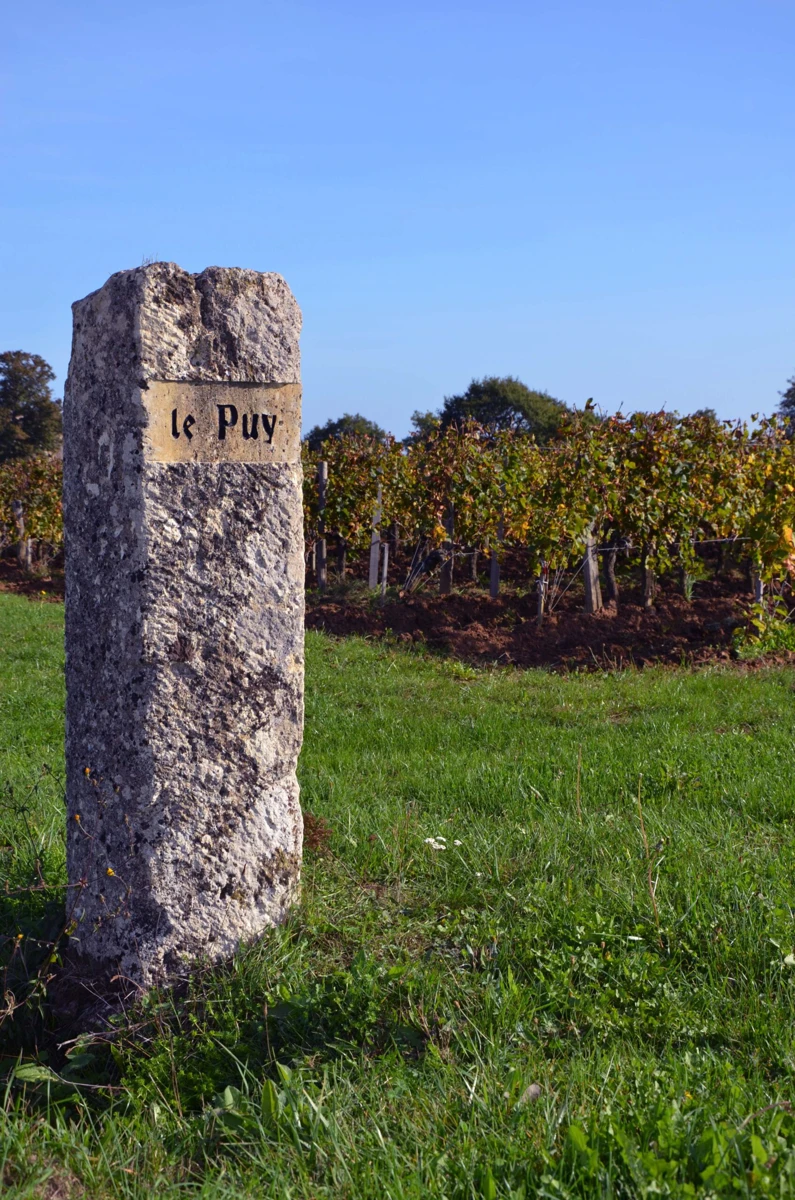
At 107 meters, the estate’s vineyards occupy one of the highest elevations in Bordeaux (in Roman times, le puy meant a ‘high place’), on the eastern edge of the same Asteries clay-limestone plateau that underpins the finest parcels of Saint-Émilion. Le Puy shares the same conditions that define the best Right Bank terroirs—yet it lies just beyond the boundaries of conventional Bordeaux, an advantageous setting that gives it continuity while also allowing for cultural distance, enabling Le Puy to nurture its distinct voice.
Farming Like It’s 1610
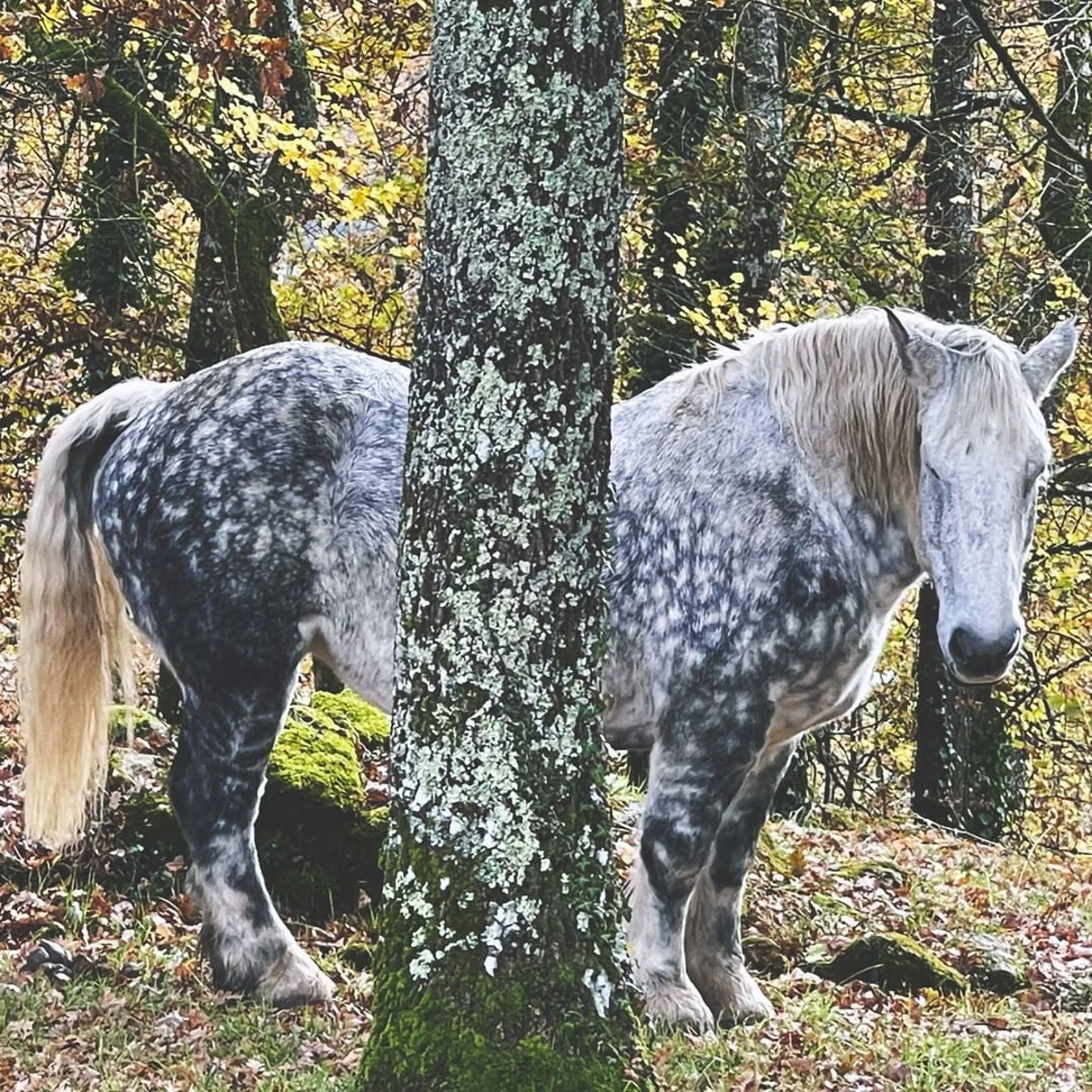
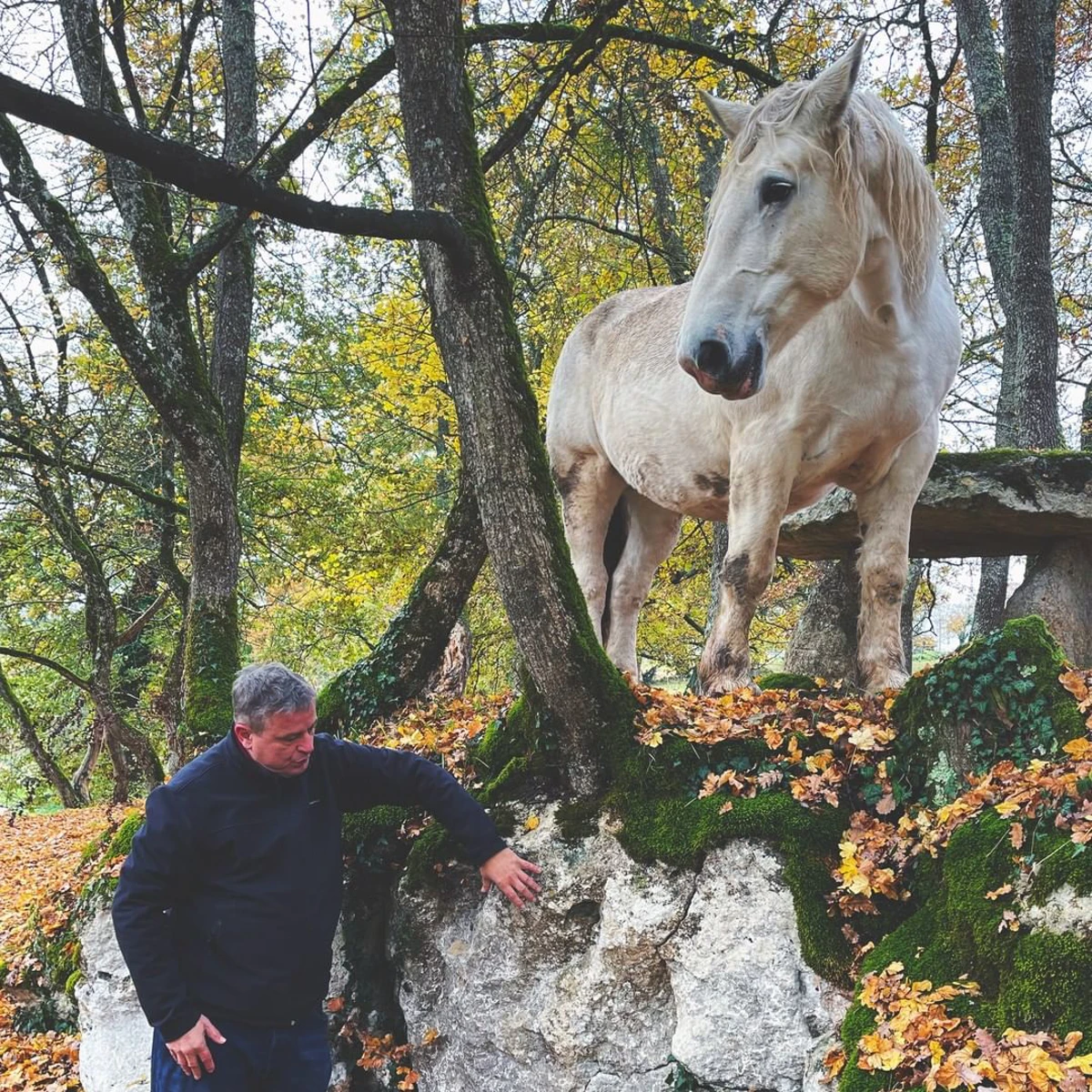
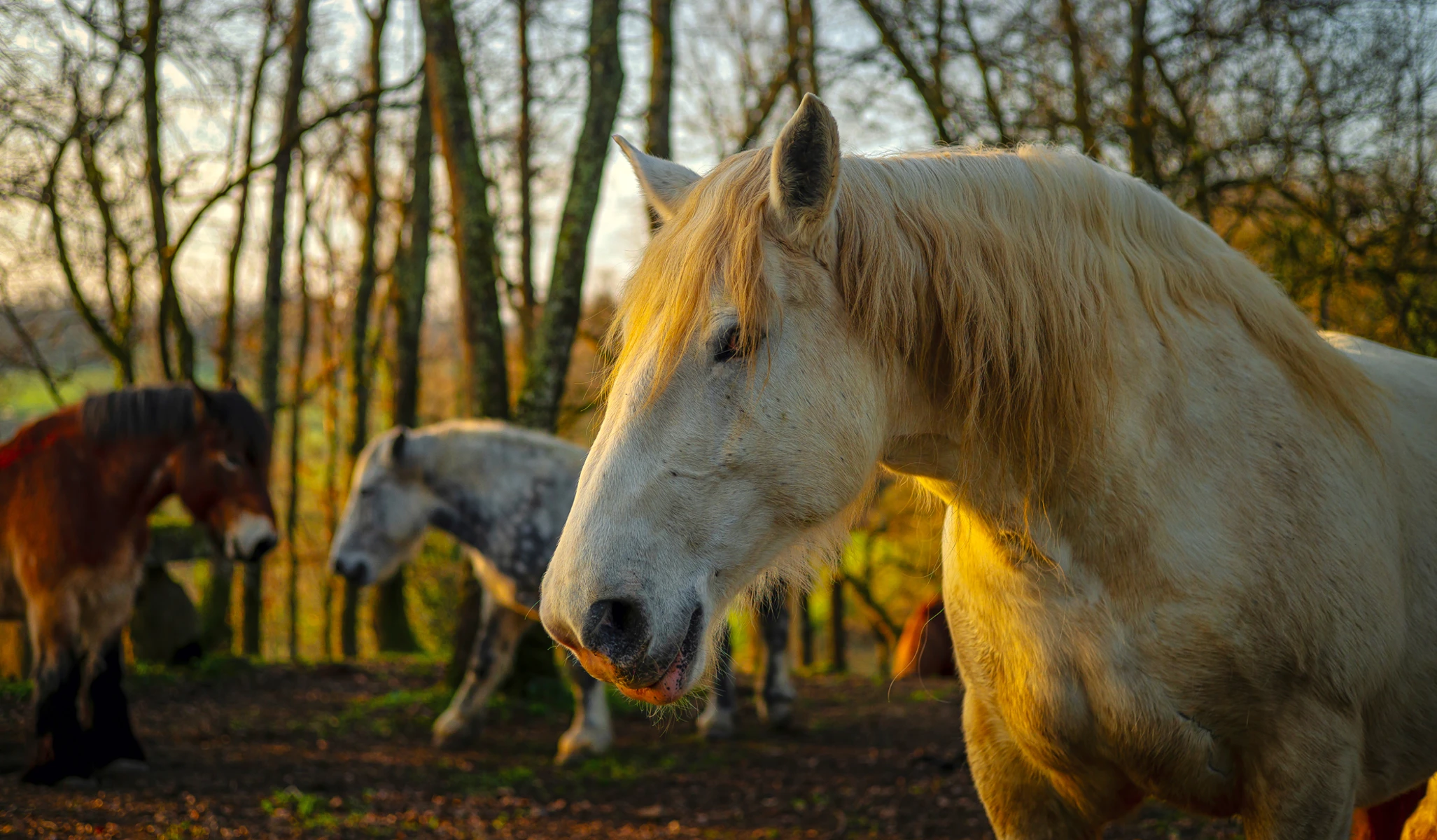
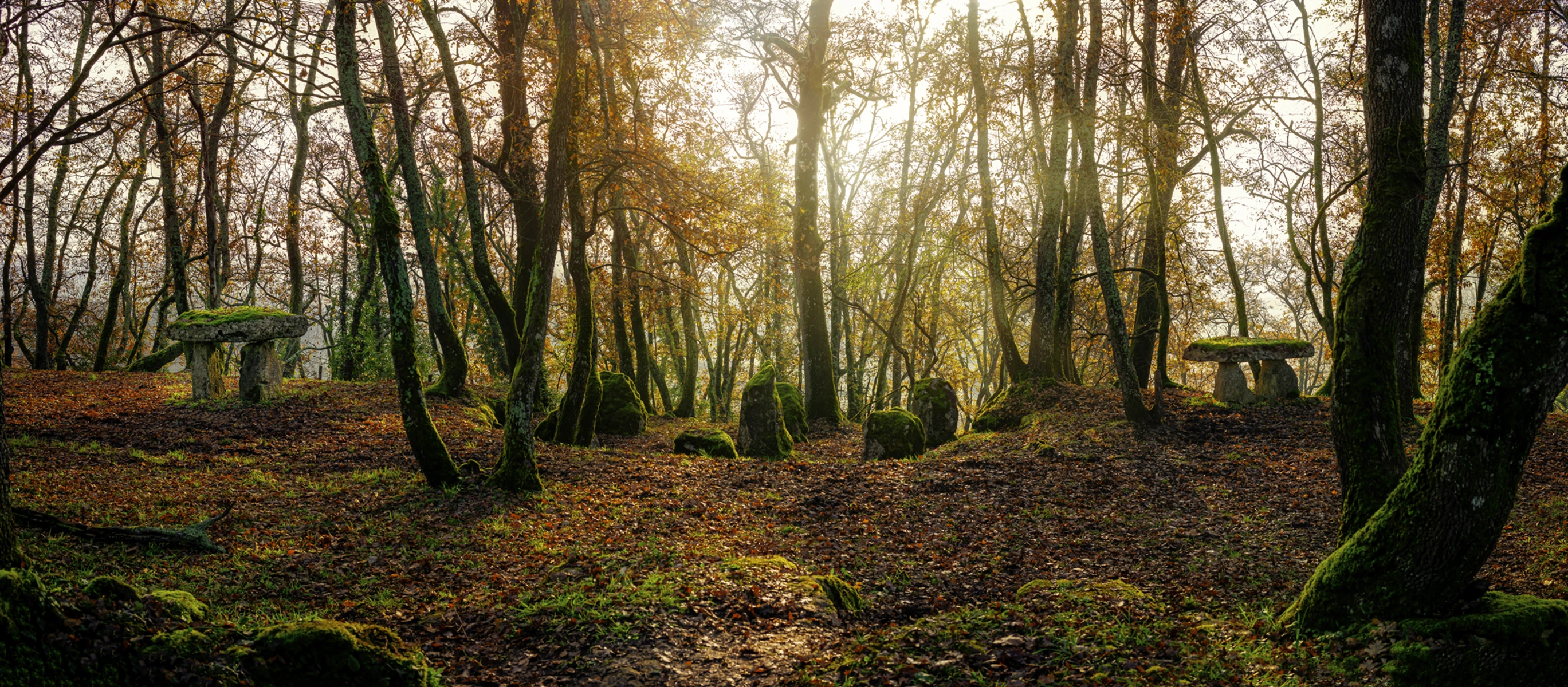
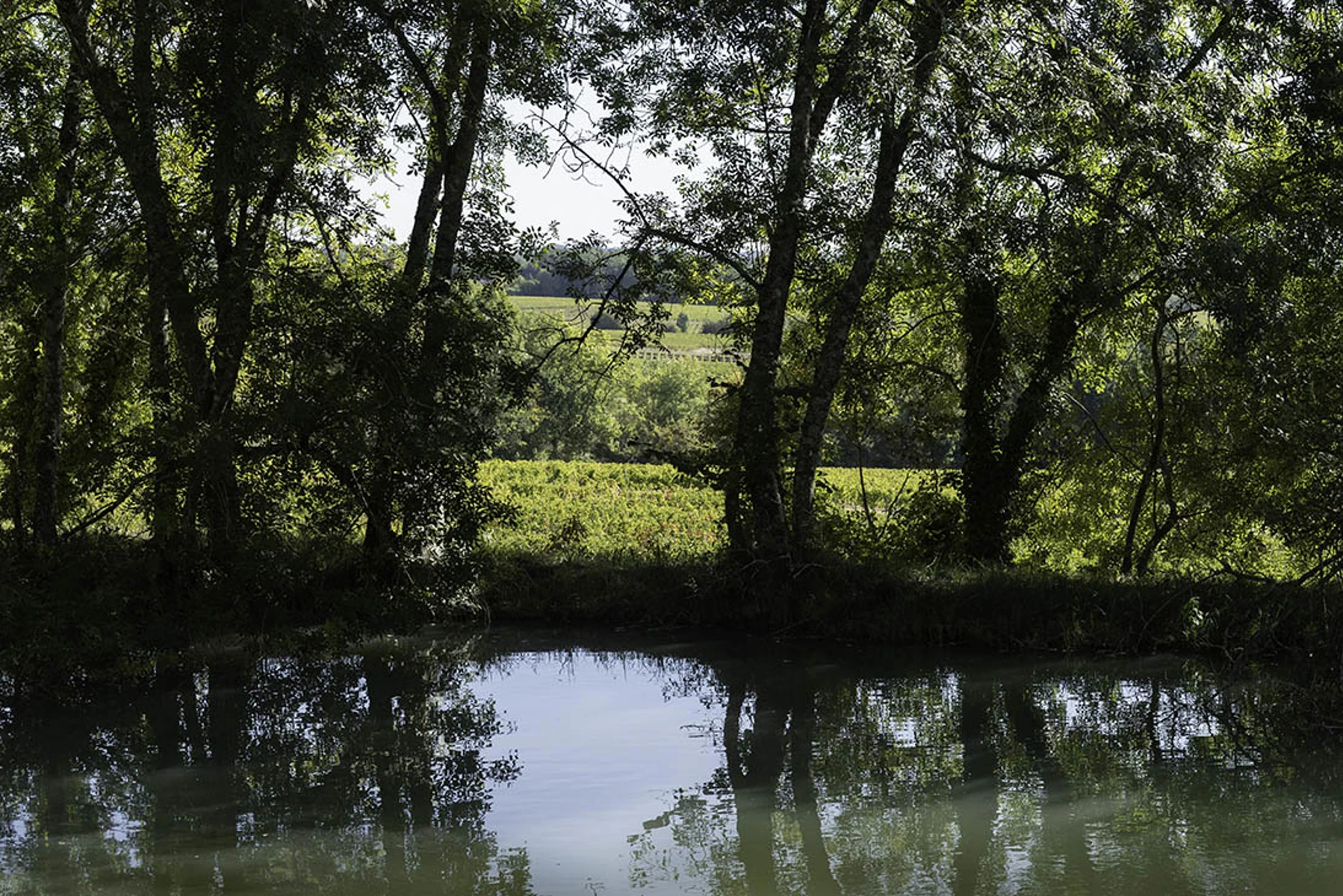
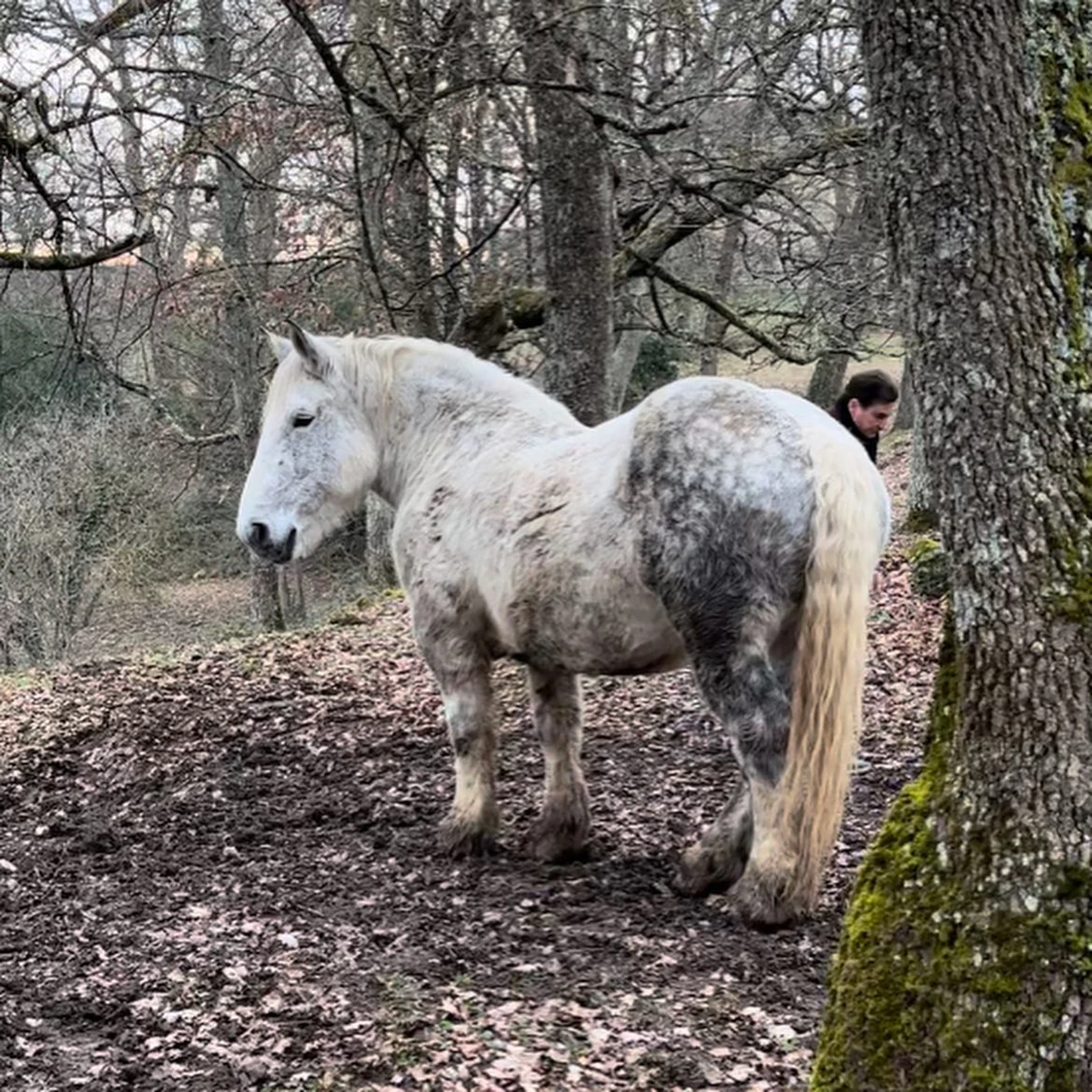
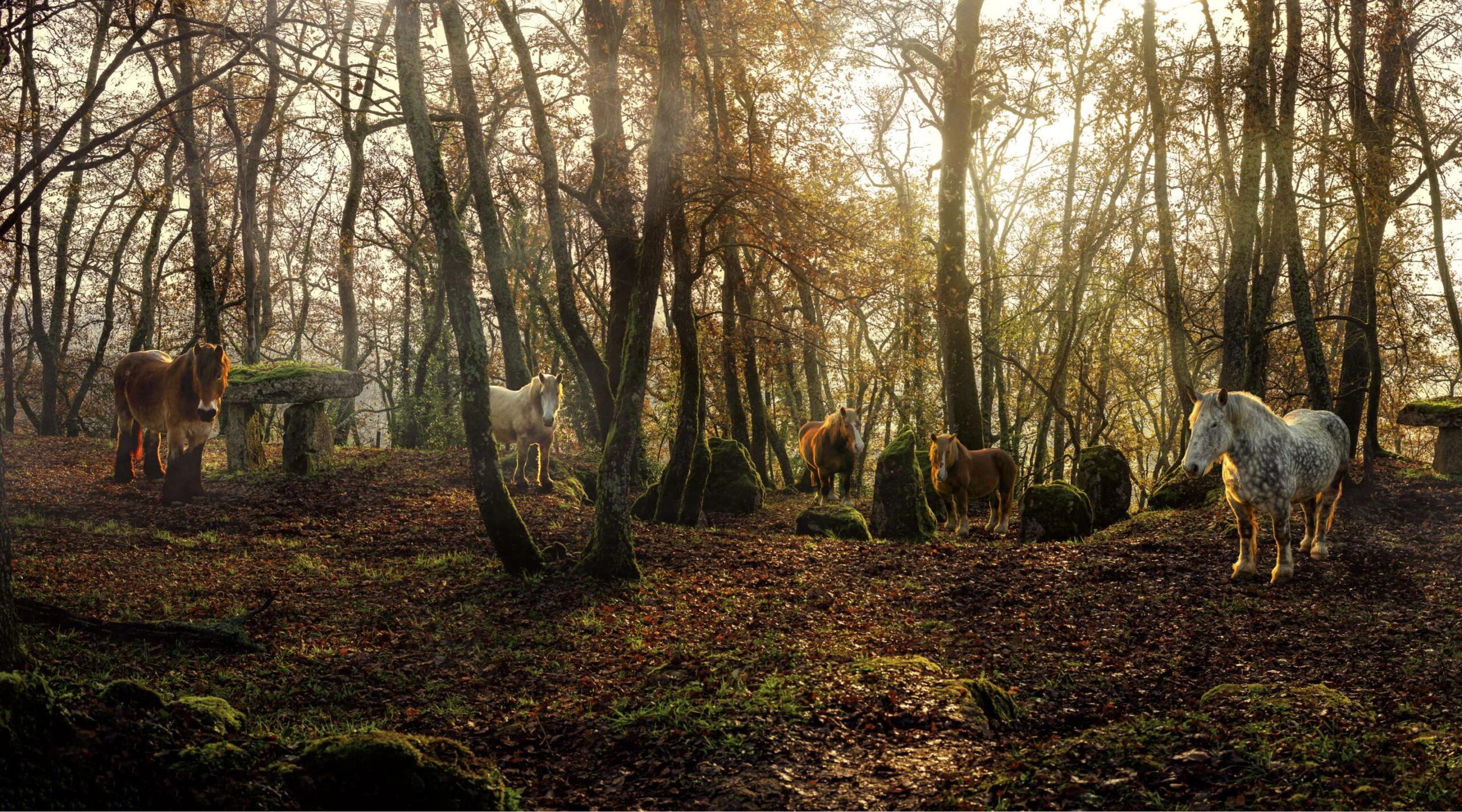
The Amoreaus have been practicing biodynamics since before it became fashionable, though their legacy practices—driven by a deeply held understanding of the vineyard and its cohabitants as a living organism—predated both modern agriculture and Rudolf Steiner. To that end, the estate is a true polyculture: just over half of its nearly 100 hectares are planted to vine, with the remainder preserved as wild meadows, woods, orchards, and bee pastures. They practice “agri-forestry,” planting pollinating shrubs between vine rows. The soil has never seen fertilizer or herbicide, and vineyard work is done by horse. In order to preserve subterranean mycorrhizal networks, they don’t plow, but rather just work the soil’s surface.
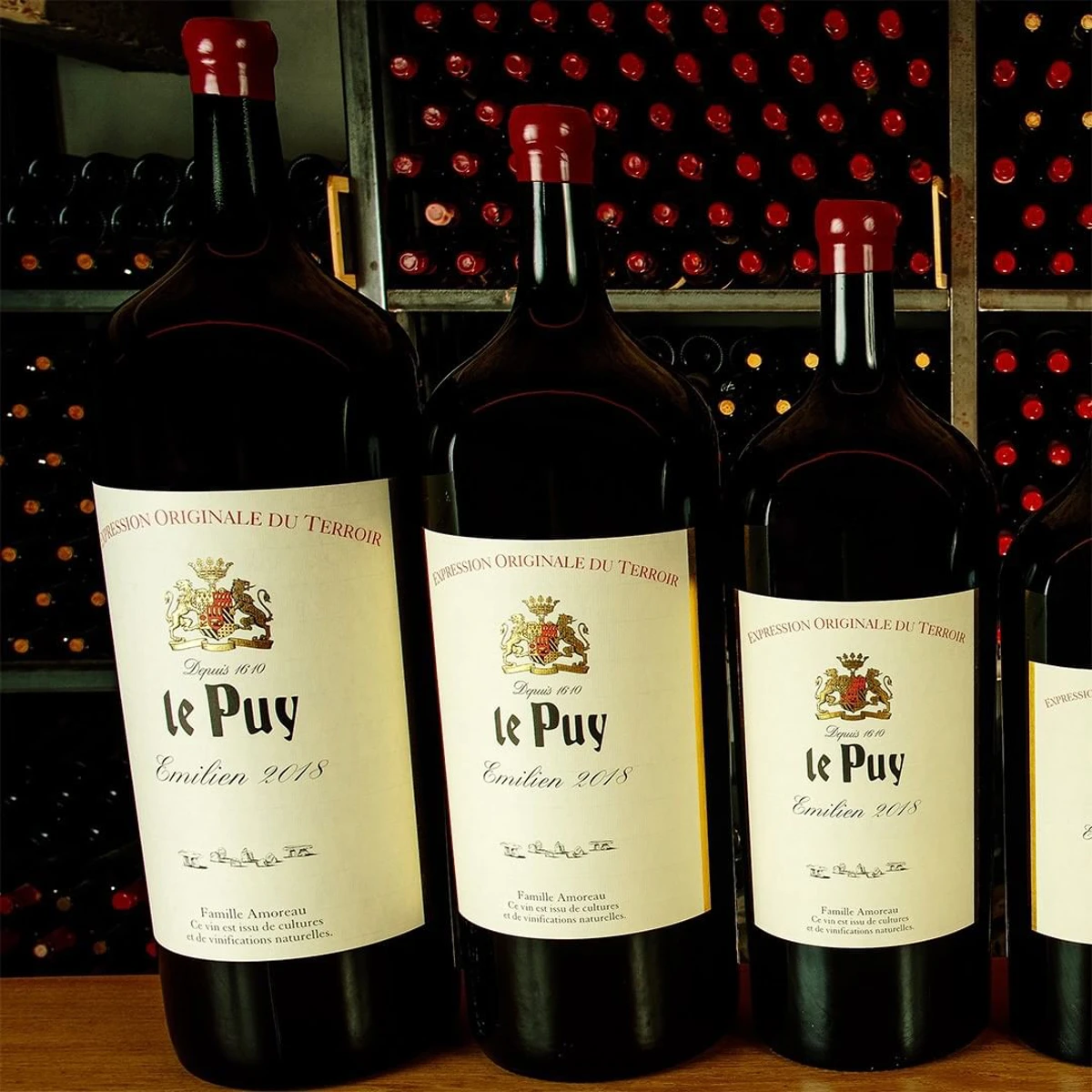
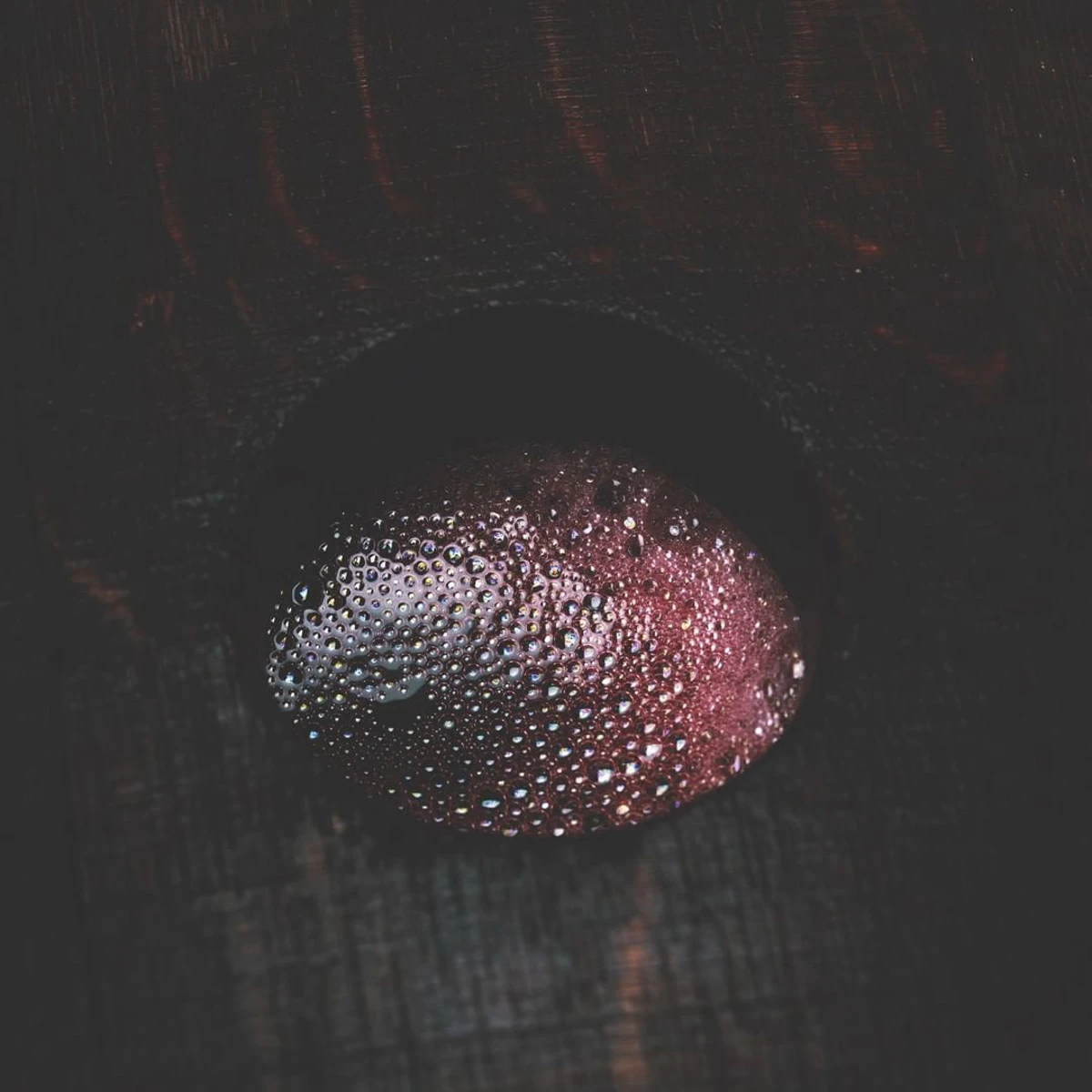
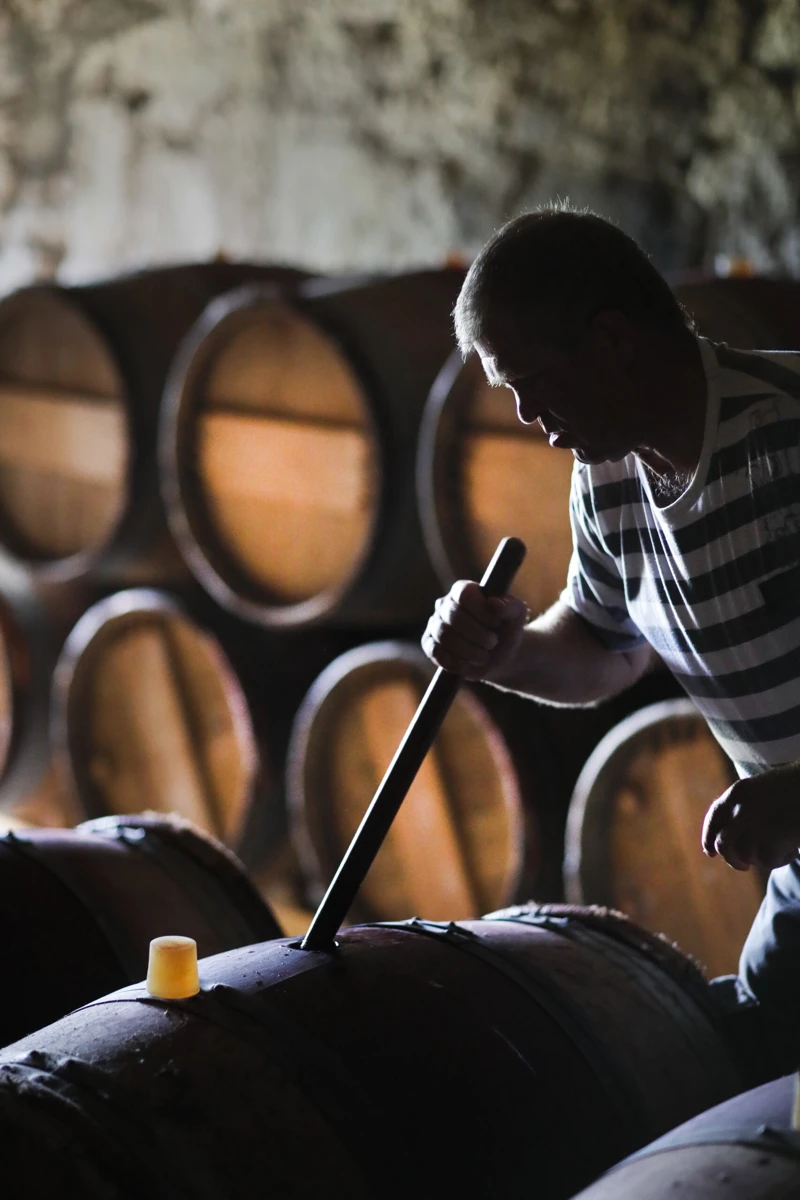
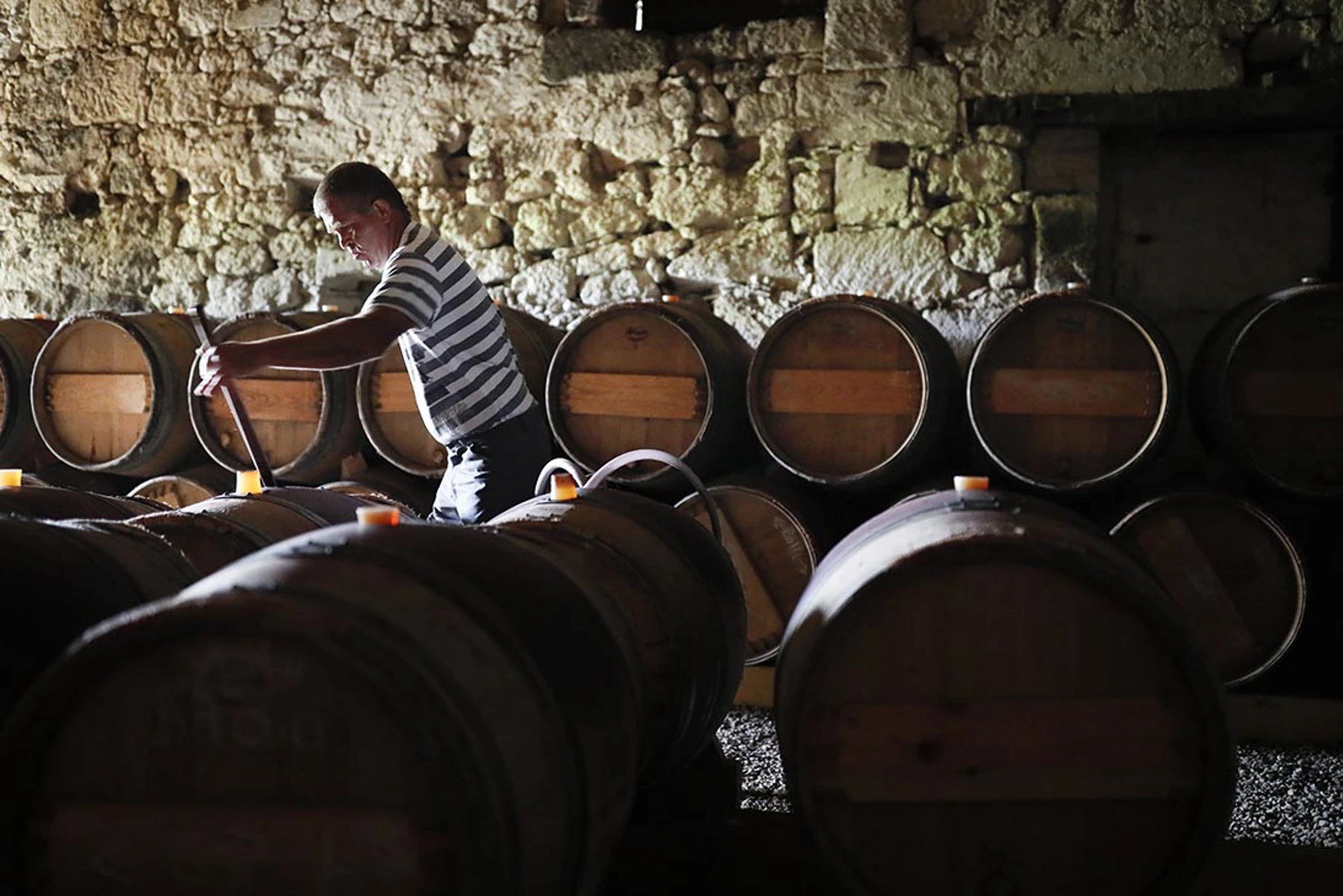
In the cellar, this ethos continues. All wines ferment with native yeasts, without temperature control, in concrete vats using a submerged cap technique rarely found in Bordeaux. Extraction is gentle—more infusion than manipulation—and the wines are neither fined nor filtered. Maturation occurs in old oak foudres and barrels—the Amoreaus consider the taste of new oak a flaw. Sulfur use is either non-existent or minimal, an approach going back centuries. And even though the cellars are natural and not temperature-controlled, Le Puy’s robust cuvées age beautifully and almost eternally—they see a wine’s maturation in terms of generations, not decades.
Miracle Wine
It’s this sense of authenticity that drew attention from a global audience. Le Puy was famously featured in the Japanese manga Drops of God, where its 2003 Émilien vintage was singled out and described as a “miracle wine … produced for 400 years without a drop of pesticide.” The resulting demand prompted the Amoreaus to pull it from circulation in Japan—a gesture that showed their principles extend even across oceans—in order to preserve accessibility. It also helps explain why their wines have become essential to Rosenthal’s Bordeaux portfolio: singular, family-run, and entirely independent of appellation status.
Why Château Le Puy Matters
For purists, for those drawn to wines of place, lineage, and the clear, uninhibited expression of grape and soil, Le Puy offers something rare. At a time when even renowned estates crane toward market expectations, by remaining traditional and unbending, Château Le Puy is actually quite radical. Each wine is a direct expression of its origin—faithful to its soil, its vintage, and the long arc of knowledge that guides it.