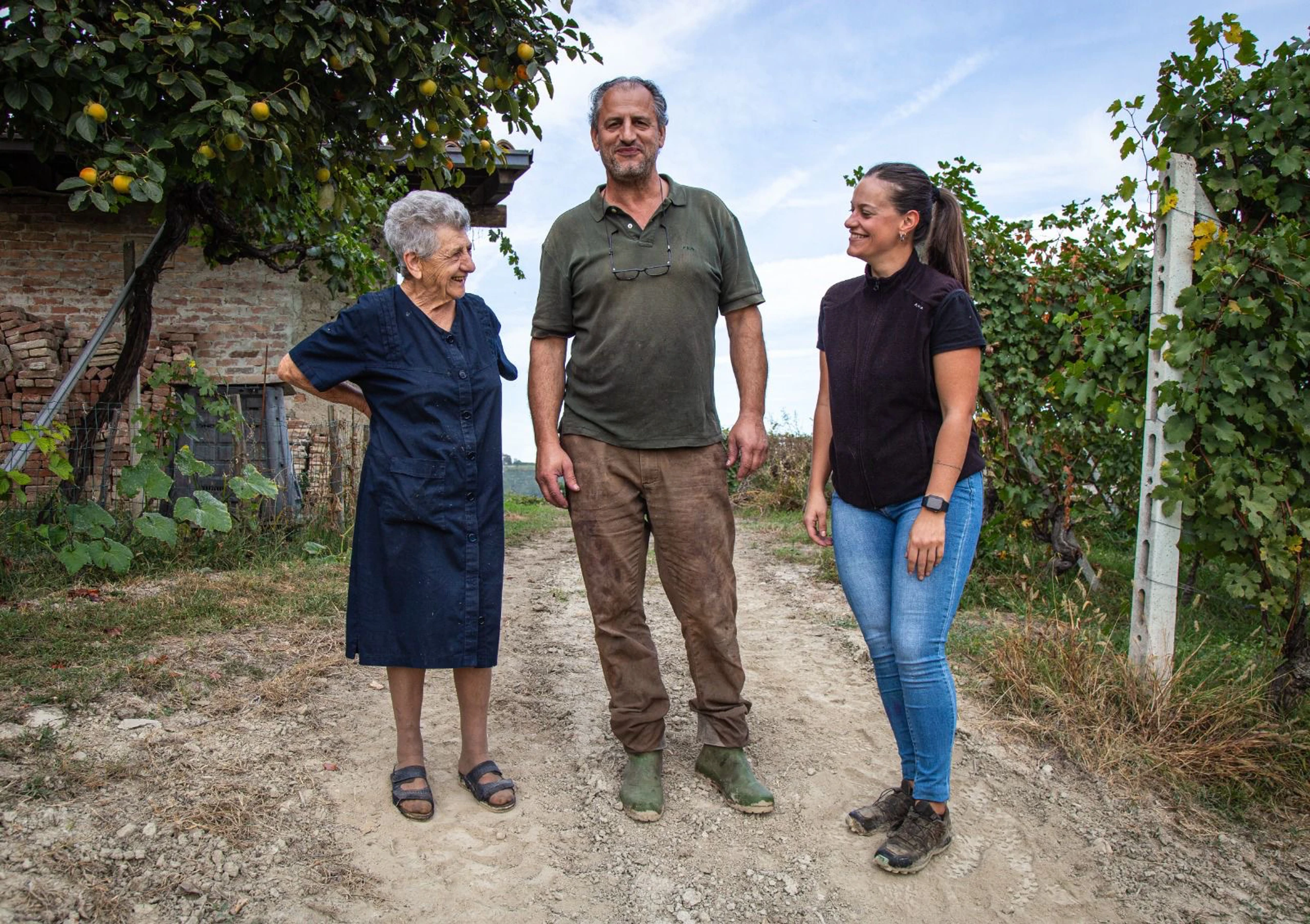
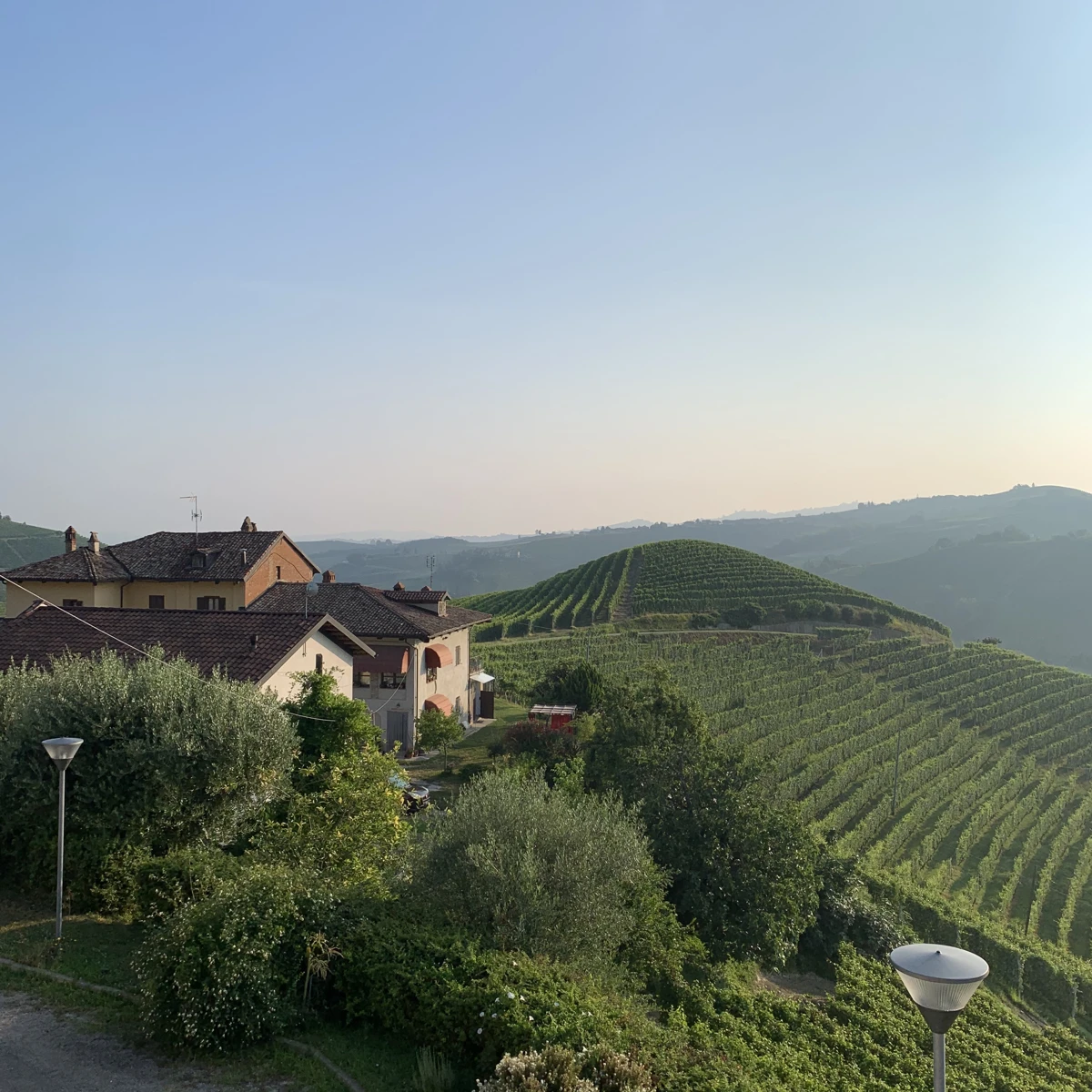
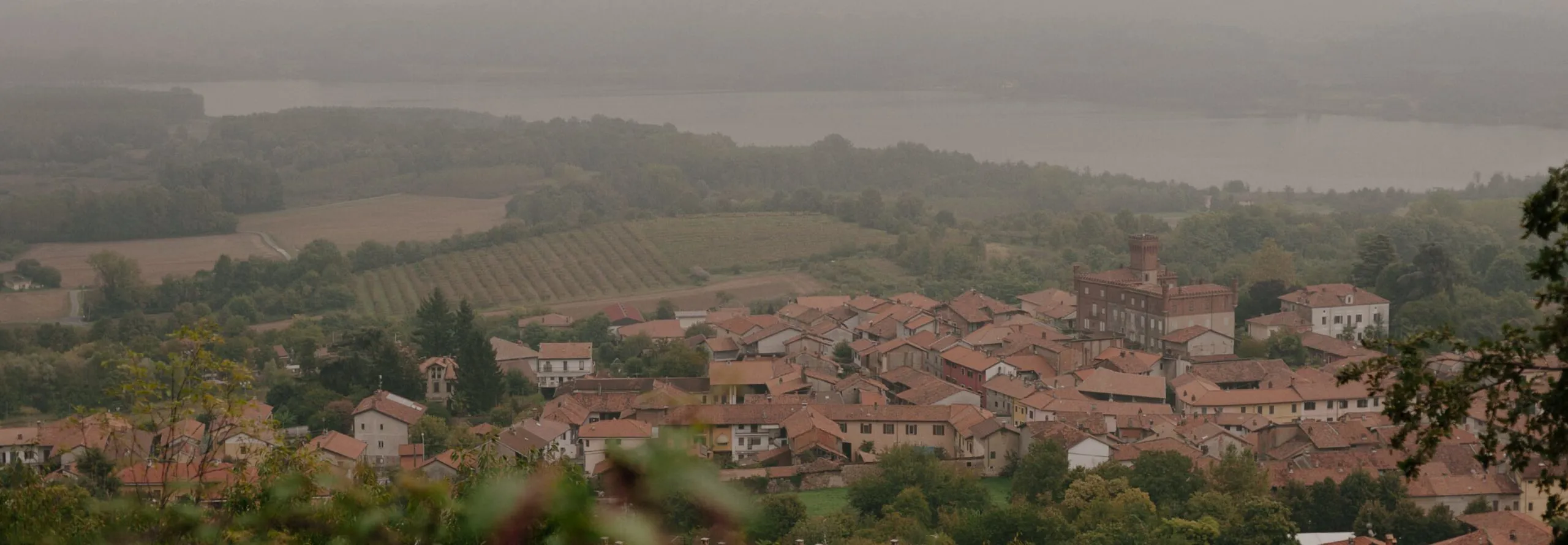
Elio Sandri has quietly stewarded his family’s 7.5-hectare Cascina Disa in Monforte d’Alba’s Perno cru since 1981. His wines possess the simultaneously exuberant and austere qualities of Nebbiolo at its most resonant—the products of a grower who loves the variety effortlessly, understands it intimately, and wishes only to allow it to be its truest self. From his humble Dolcetto to his majestic Barolo Riservas, each of Elio’s offerings conveys a comfort in its own skin that is exceedingly rare in today’s wine world.
Timeless Wines, Timeless Vigneron
In one of his earliest encounters with the estate, Antonio Galloni remarked that Sandri’s Barolo “tastes like the wines my dad used to drink when I was a kid… the sort of wine that just isn’t made anymore.” One senses that Galloni is referring here not just to the wines’ uncompromising structural rigor but to their harmoniousness, their lack of self-consciousness. It’s one thing to produce wines using traditional methods; Elio’s wines, however, seem to reach far back in time, expressing the calm self-assuredness of an epoch before Barolo suffered its crisis of identity. Speaking of calm self-assuredness, Elio himself is a perfect mirror of his wines. Warm but self-possessed, friendly without being ingratiating, he discusses his work with restrained, insightful enthusiasm, giving the impression that he’s fully at one with his métier.
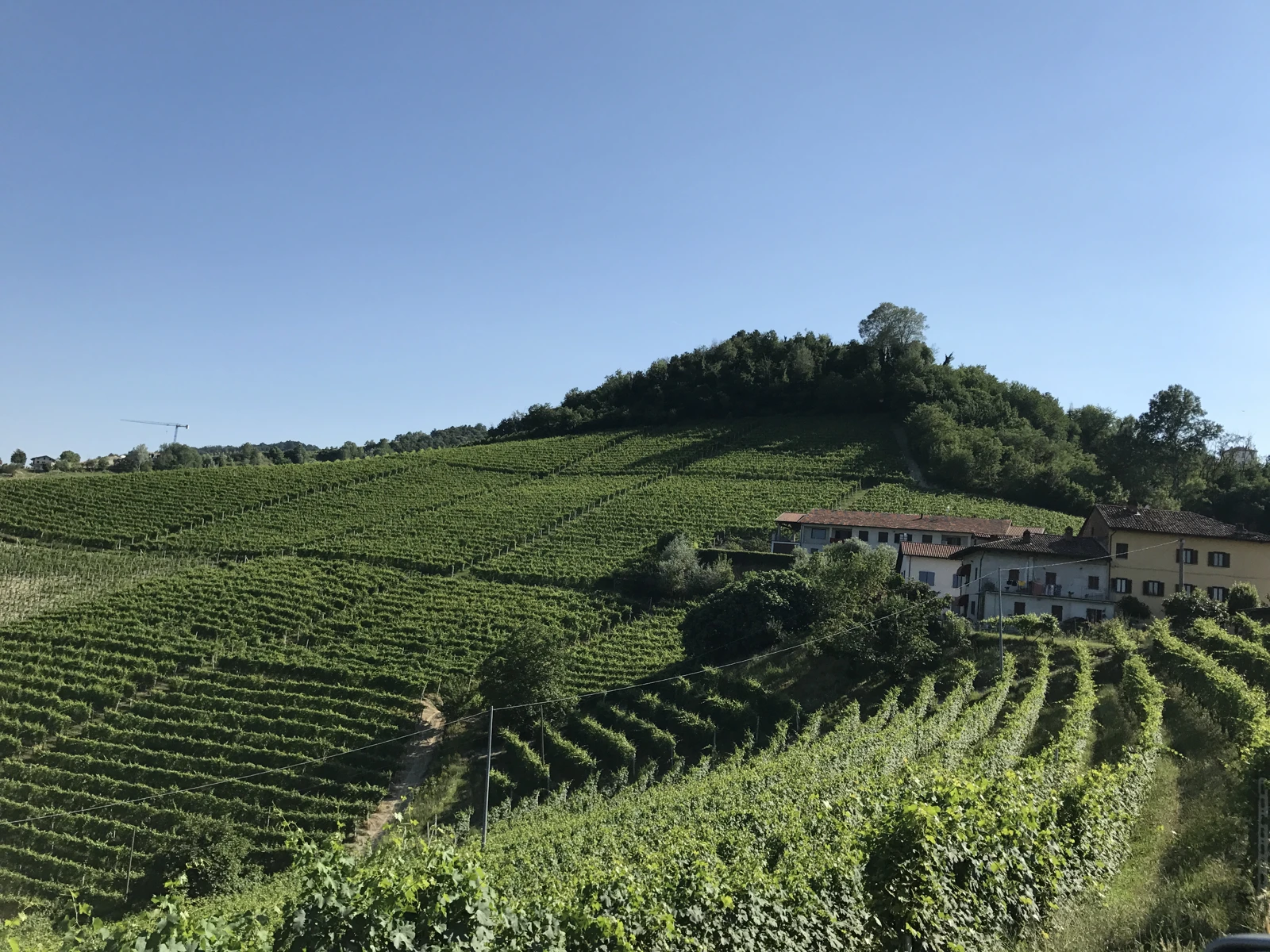
Cascina Disa is tucked into a valley just east of the village of Perno in Monforte d’Alba, well off the beaten path and flanked by dense patches of forest. Elio’s father Giovanni, an area native from a long line of farmers, acquired Cascina Disa in 1965, and Elio was thrust into managing the estate at an early age when Giovanni fell suddenly ill, vinifying his first harvest in 1981. The property remains very much a traditional cascina to this day, encompassing 7.5 contiguous hectares of grapevines in the Disa hamlet of the Monforte d’Alba cru Perno, with Elio and his family living and producing wine on-site. The vines, which range in age from 15 to 60 years old, occupy a variety of expositions throughout the hamlet: mainly on south- and east-facing slopes (for the Nebbiolo), with small north- and west-facing plantings of Dolcetto and Barbera.
Radical Restraint in the Vineyard
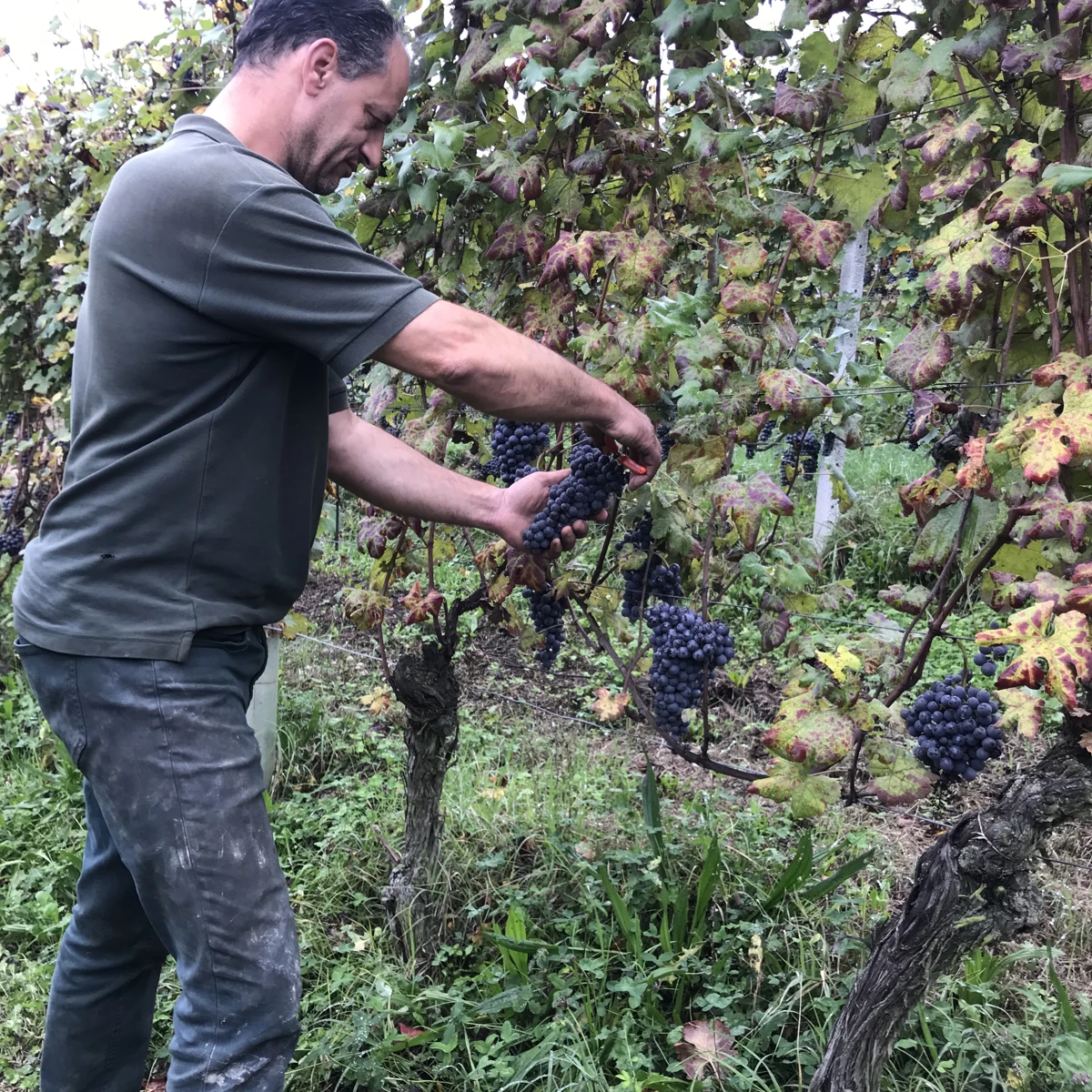
Elio’s low-intervention approach in the vineyard borders on the extreme. Aside from cutting the grass a couple of times each year, he does nothing to his land, wishing to preserve the vineyard’s natural equilibrium (enhanced by dense patches of forest along the property’s upper edges) and prevent undesirable compacting of the soil. Perhaps unsurprisingly, he also farms organically, trusting the vines’ natural defenses to fight their battles without chemical reinforcements. The vineyard’s modest surface area and proximity to the winery allows him to harvest quickly and efficiently, ensuring that the fruit entering the winery is always in immaculate condition.
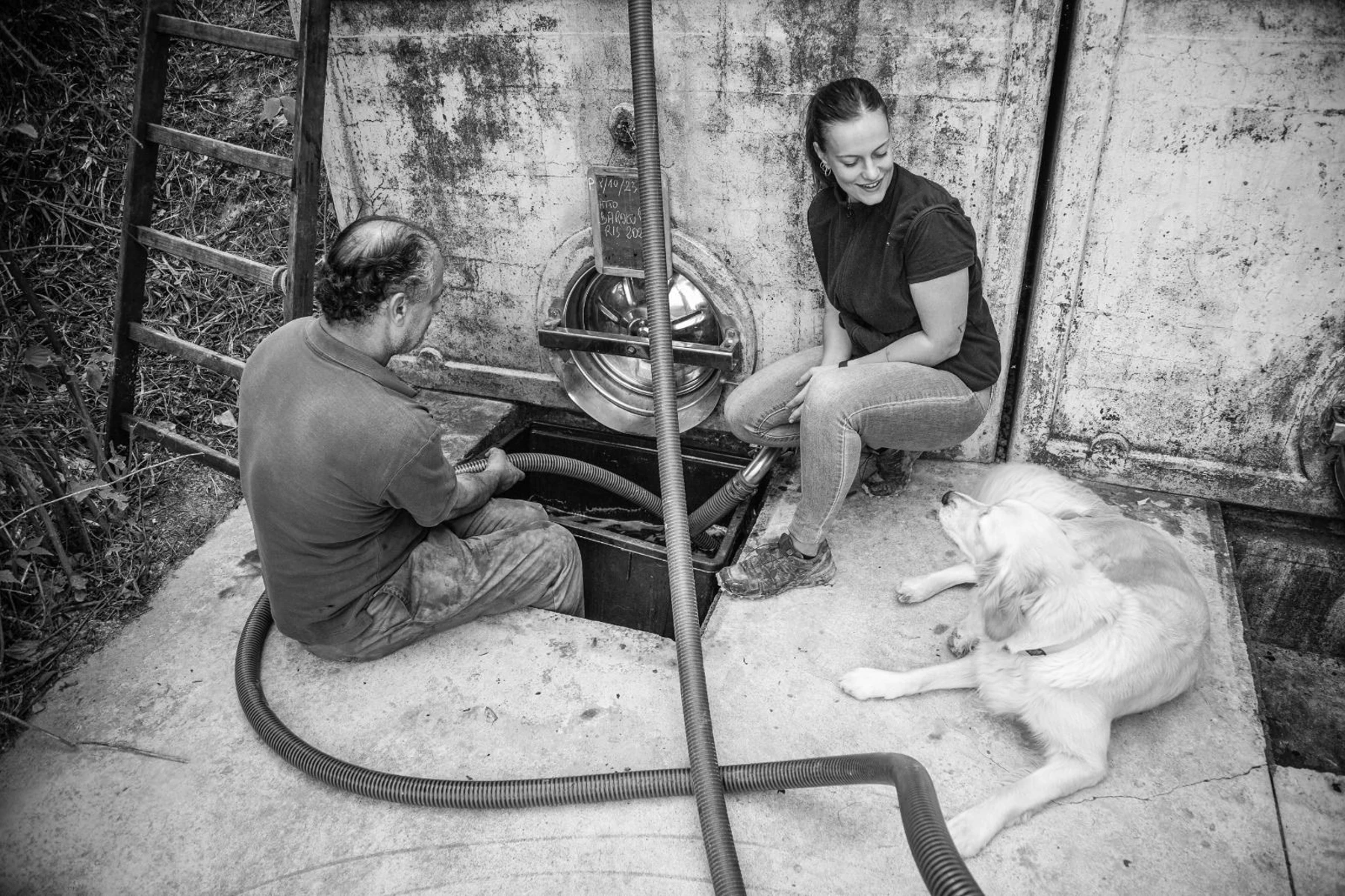
Sandri’s practices in the cellar are as unflashy as one would expect from such effortlessly traditional wines; such is their sense of seamless rightness that questions of how they were produced feel almost inconsequential. Spontaneous fermentations? Naturally. Everything from Dolcetto through Barolo Riserva ferments in cement vats and ages in enormous old Slavonian-oak botti—varietally labeled wines for one year, and Barolo for anywhere from 18 to 72 months depending on vintage character. (This is one area in which Elio exercises judicious creativity.) Nothing is ever racked, fining and filtration are dispensed with entirely, and sulfur is added only just before the moment of bottling. As always, the magic is in the lack of smoke and mirrors.