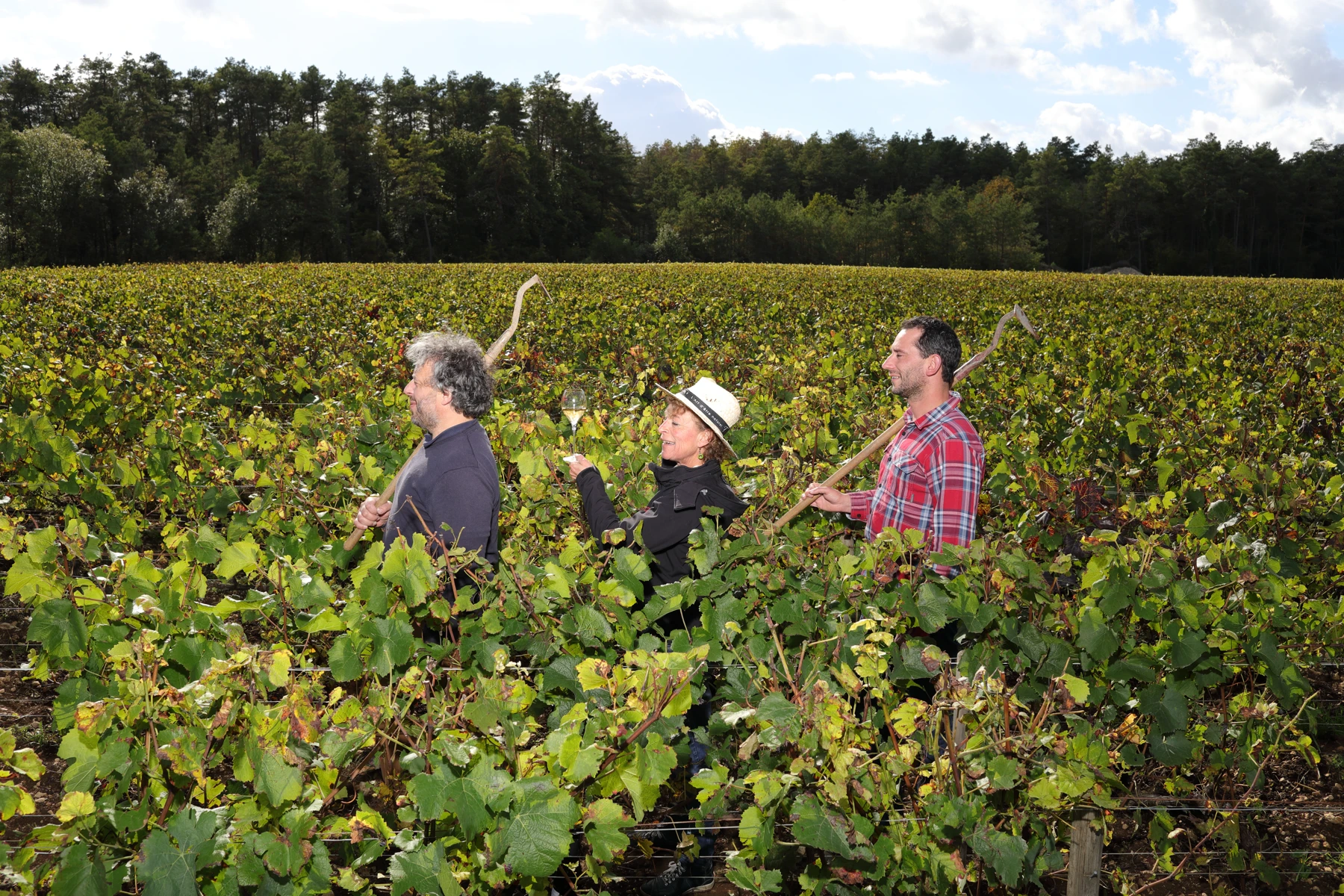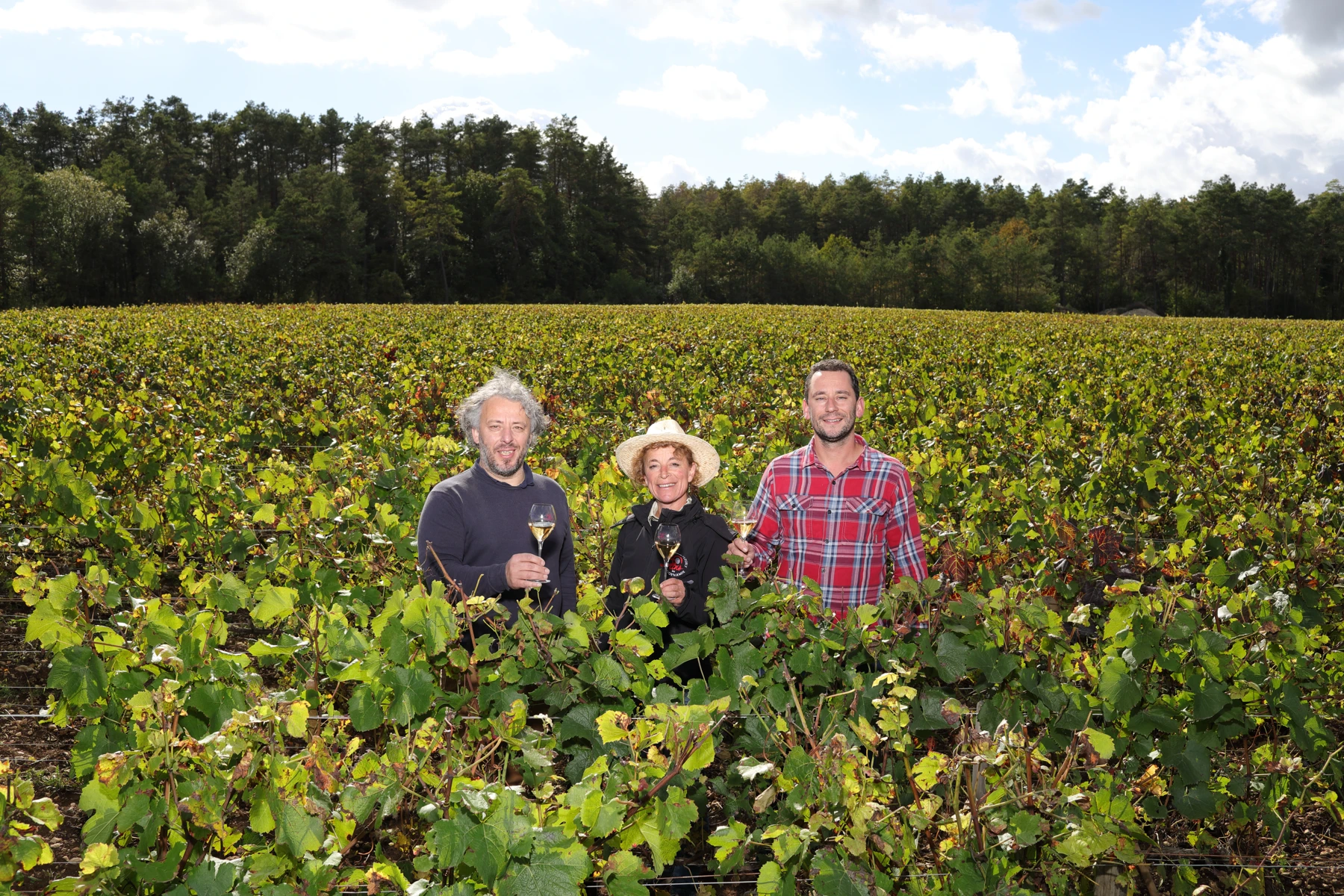
In a time when being taken seriously as a winegrower all but requires working organically, it is perhaps difficult to remember how deeply entrenched rampant chemical usage was even just a few decades ago. Back in the 1980s in Champagne, a region whose négociant system helps perpetuate chemical farming to this day through a lack of traceability, the discipline of biodynamics had but one lone practitioner: Jean-Pierre Fleury, who converted his family holdings in the Aube’s Côte des Bar to biodynamics in 1989, achieving certification in 1992—the first in Champagne to do so. As a young winegrower in the late 1960s, Jean-Pierre had begun to question the noxious chemicals he handled daily, and this early chemical-free approach blossomed over the years into a wholehearted embrace of the holism of biodynamics.
Jean-Pierre, however, is hardly the only maverick in his family line. When phylloxera began to ravage Champagne at the end of the 19th century, his grandfather Emile was the first in the area to plunge into the unknown and plant Pinot Noir he had grafted onto American rootstock. And as the onset of the Great Depression gutted the négociant market, Emile’s son Robert made the audacious move to bottle his own harvest in 1929, thereby becoming one of the first récoltant-manipulant in the region. And today, Jean-Pierre’s three children Benoit, Jean-Sébastien, and Morgane proudly continue in this visionary spirit, incorporating horse ploughing, employing sulfur-free vinification for certain bottlings, and undertaking various agroforestry projects. Indeed, a combination of boldness and foresight seems genetically ingrained in this family of multigenerational trailblazers.
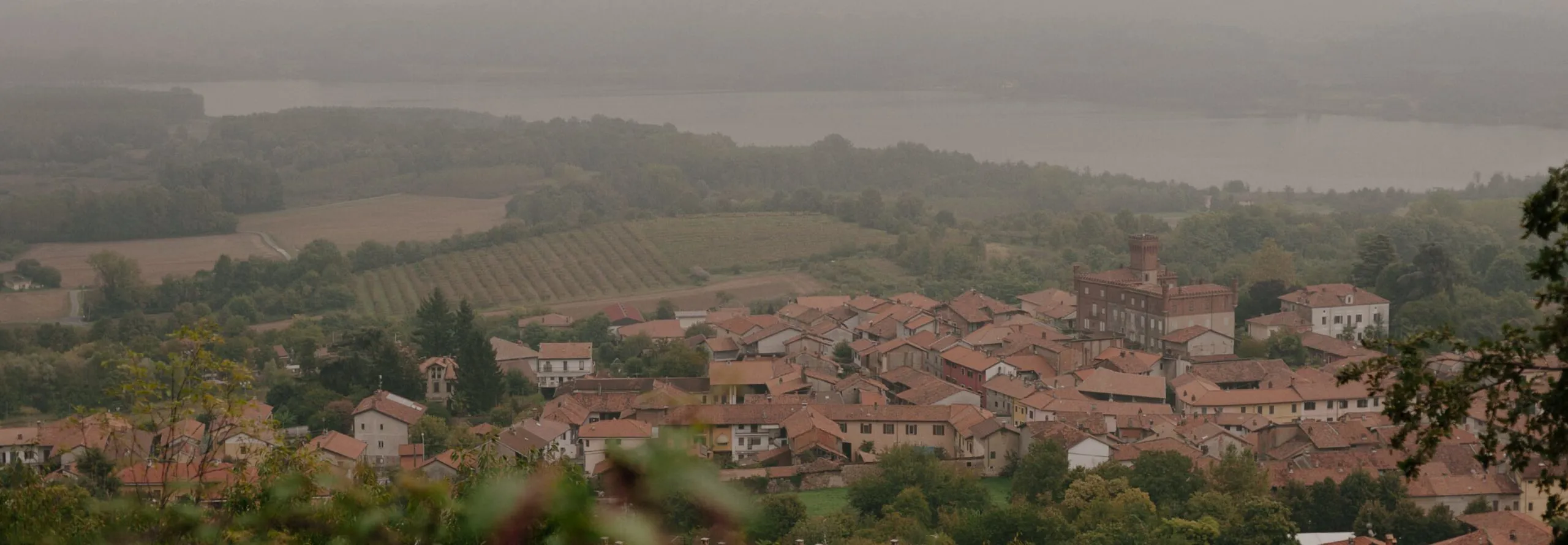
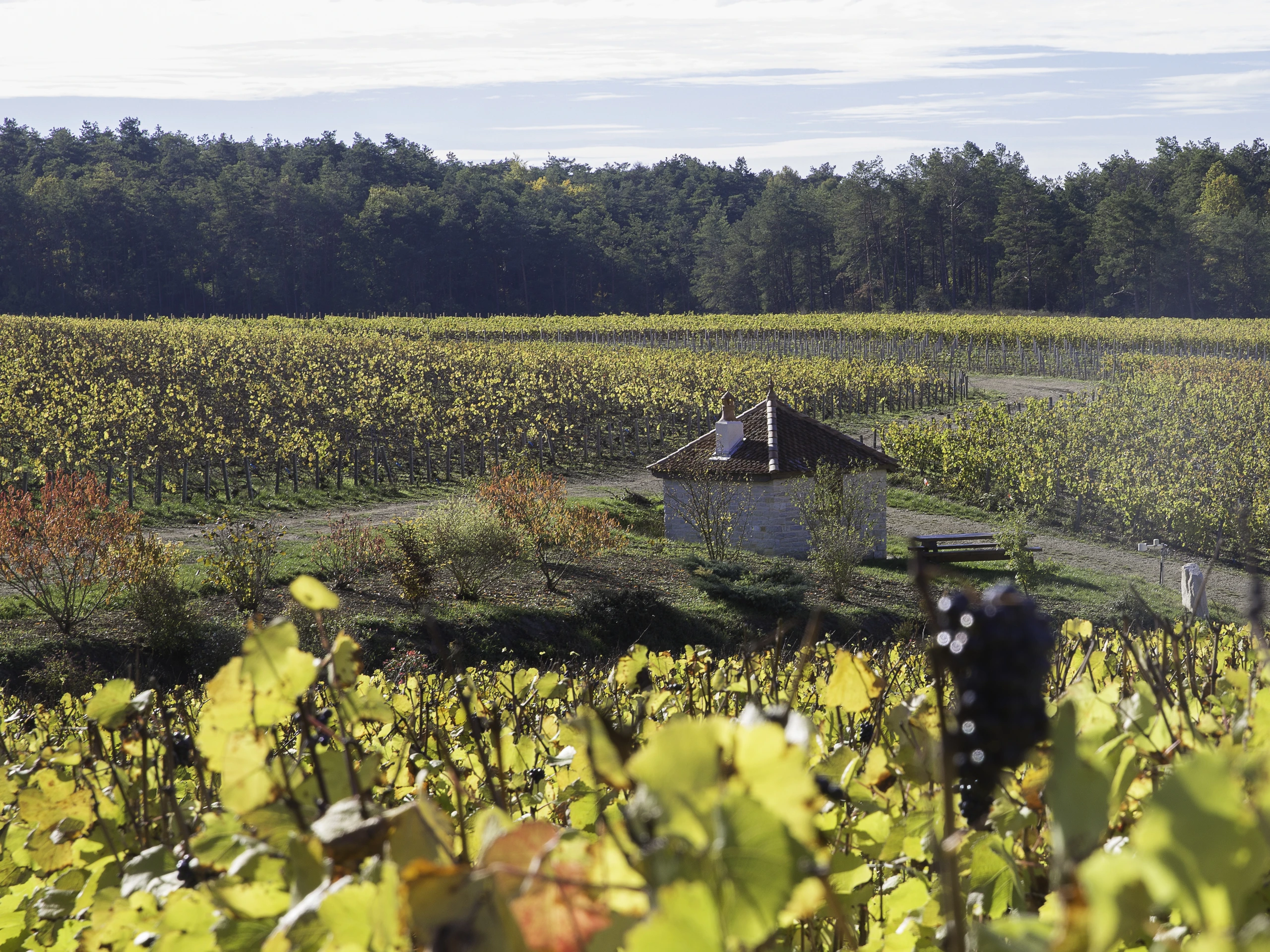
Champagne Fleury encompasses 15 hectares of vines in the Aube’s Côte des Bar, in and around their home village of Courteron, planted entirely in the area’s distinctive Kimmeridgian soil. The family’s maverick spirit is underlined even more powerfully by their place of origin, as only in recent years has this subregion of the Aube gained anything resembling international recognition, and even today much of what grows here is bulk fodder for the monied grands marques up north. As befits the terroir, Pinot Noir dominates Fleury’s holdings, comprising 85% of the total surface area; Chardonnay accounts for another 10%; and the remainder consists of Pinot Meunier, Pinot Blanc, and Pinot Gris, as well as the fascinating and nearly extinct autochthonous varieties Arbane and Petit Meslier.
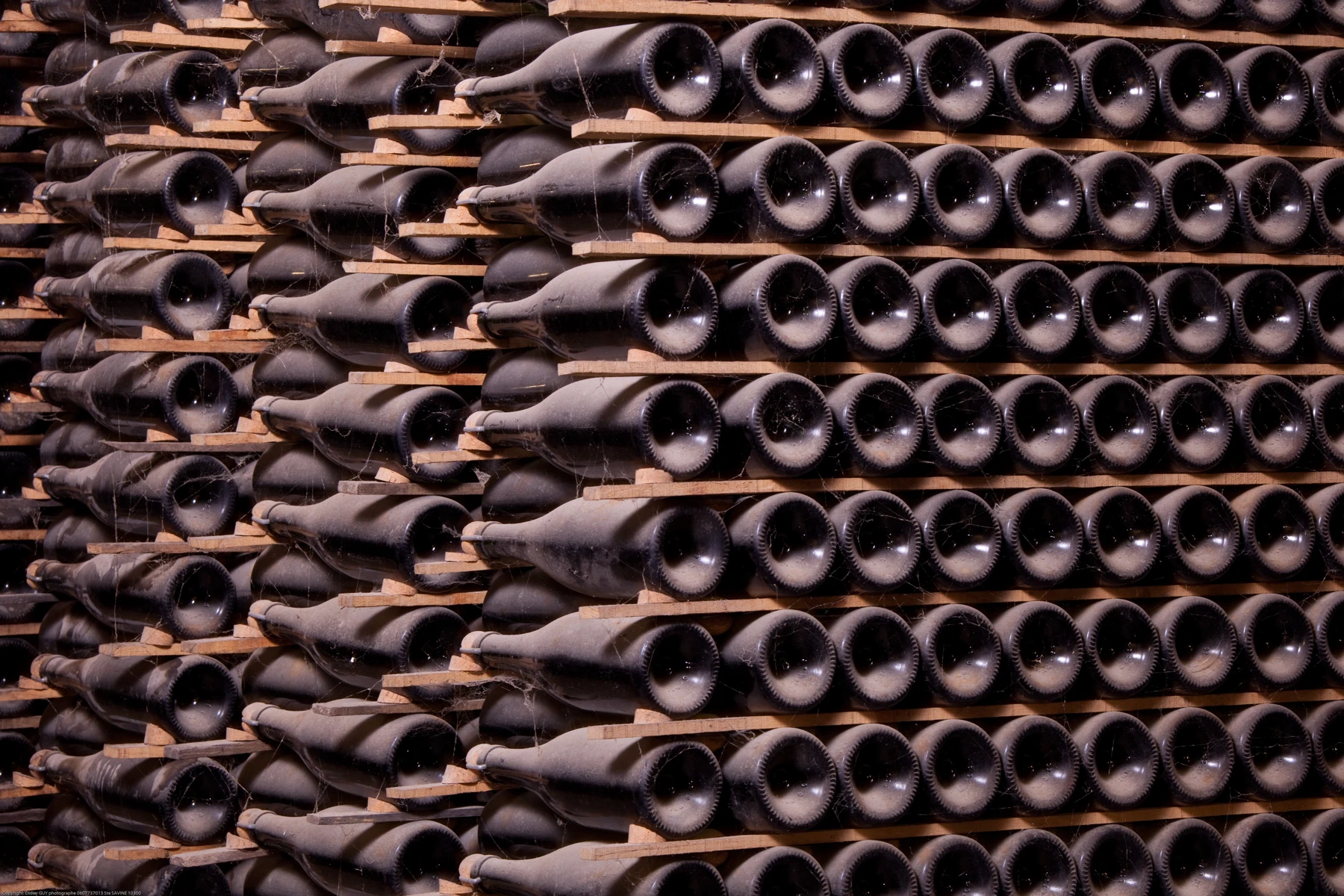
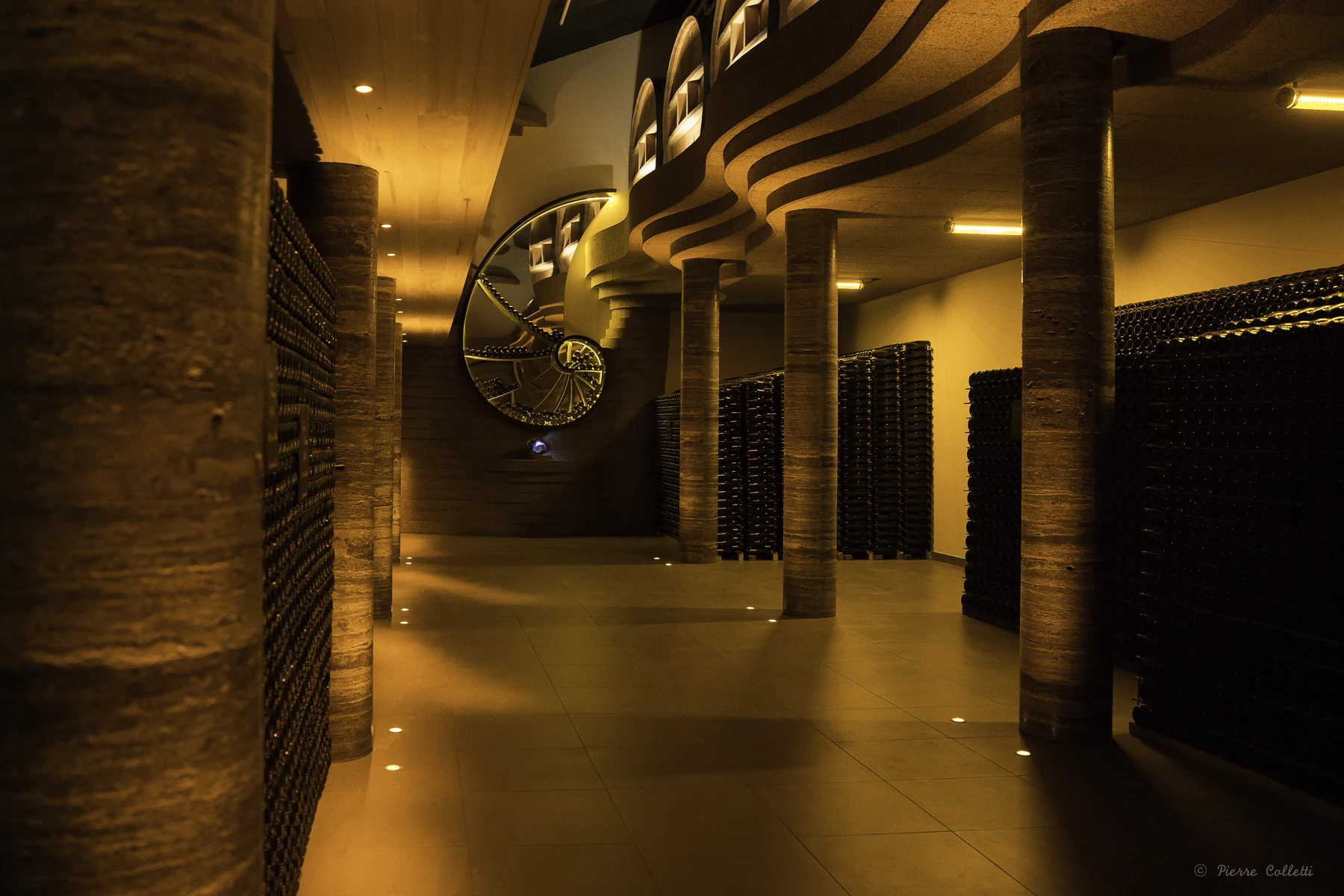
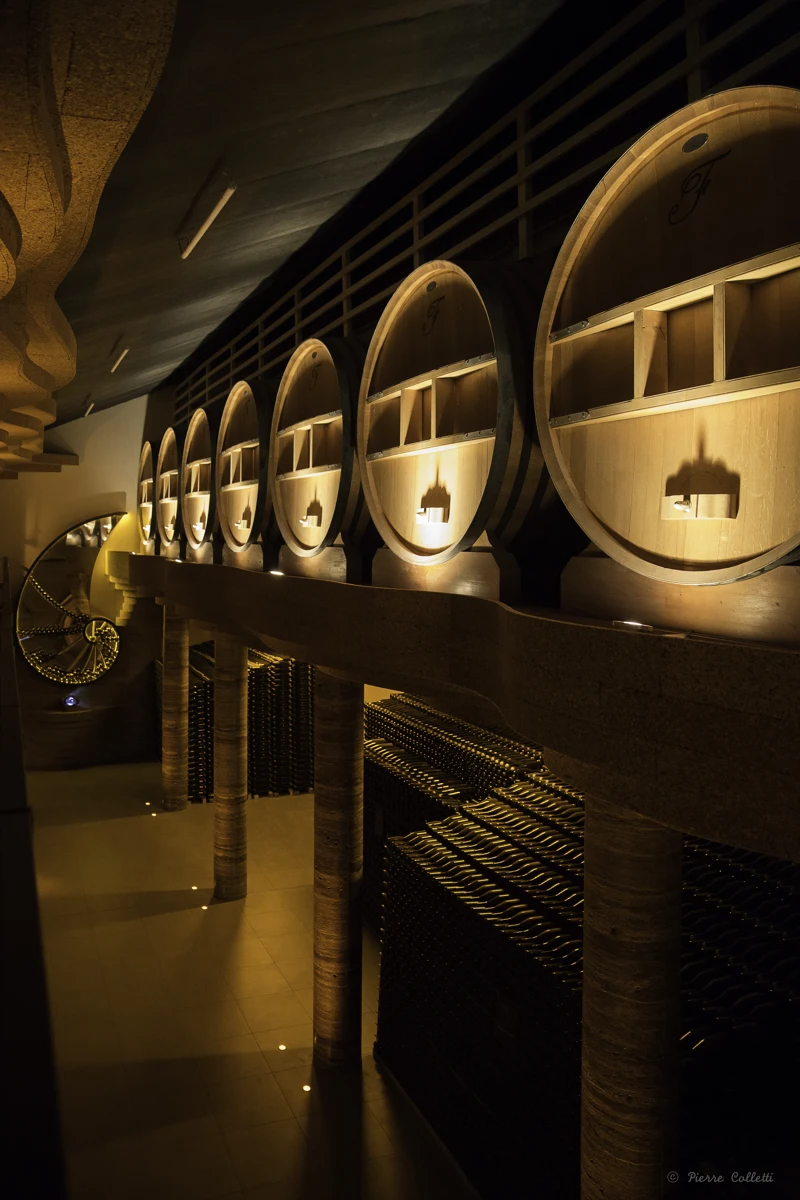
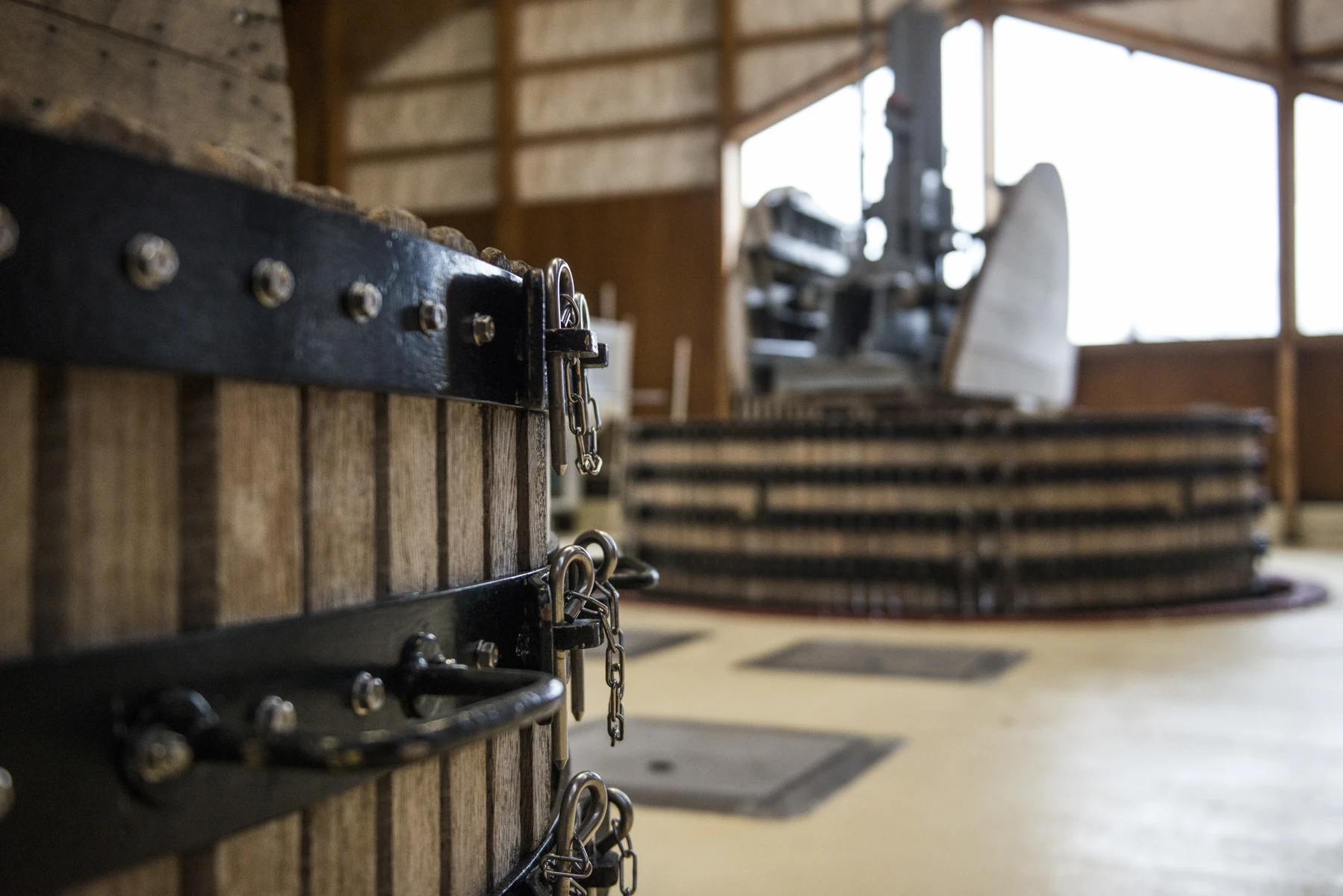
Fleury’s work in the cellar is thoughtfully low-interventionist—trusting of the quality of the raw materials (vineyards farmed biodynamically for 35 years yield particularly hardy fruit), but unfailingly precise and clean. Initial fermentations are spontaneous, and malolactic fermentation has not been blocked since 1995; a variety of vessel types, as well as a perpetual reserve, are employed for the aging of the vin clair; since 2016, secondary fermentations are induced with a yeast strain derived from their own vineyards; sulfur dioxide, when used, never exceeds 30 milligrams per liter; and dosage, when applied, is always within the extra-brut realm.
The resulting wines are uncannily harmonious, comfortable in their skin. The notably vinous quality of many Aube Champagnes shows up in Fleury more matter-of-factly, less forcefully; it feels embraced rather than overtly coaxed. These are the wines of a family that has been plying their trade with confidence and skill for a very long time. After all, not only does Fleury sit in the upper tier of the pantheon of great grower Champagne; they all but invented the category.